
Vladyslav Pobyva
November 17, 2026
Vladyslav Pobyva
November 17, 2026

In the mobile-driven world of the 21st century, portable tech has become a primary tool people use to work, study, shop, and have fun. Seasoned experts in digital marketing recognize that too and consider smartphones the backbone of consumer attention and brand interactions. That is why they make mobile customer engagement a mission-critical element of their lifecycle campaigns.
With so many companies vying for clients today, businesses have no choice but to perform micro-segmentation of their clientele and personalize mobile customer engagement as much as possible. Real-time personalization of the mobile customer journey is what can pave the way to the hearts (and wallets) of new consumer audiences and re-engage inactive customers on a mobile app.
In this article, we define personalization in mobile customer engagement, showcase mobile app personalized engagement tactics, suggest metrics to measure mobile customer engagement, and point out the most common mistakes companies should overcome in their customer lifecycle marketing initiatives.
Personalized mobile engagement means tailoring the brand messages and interactions a consumer receives across mobile channels to their individual tastes and preferences. As a result, customers stay with the company longer and buy more products, thus increasing their customer lifetime value. The popular mobile engagement tactics personalized marketing employs include send-time and channel optimization, behavior-triggered messaging, predictive lifecycle triggers, personalized in-app push notifications and content, gamification with personal rewards, and omnichannel message orchestration. To maximize the efficiency of your personalized mobile engagement initiatives, you should use proper metrics to measure performance and leverage reputable AI-powered software.
Before getting personal, let’s find out what mobile customer engagement in general is. Broadly speaking, it is all about brands building and maintaining relationships with clients through mobile devices, which is what mobile-first marketing hinges on. Companies use the entire range of channels to reach their audience either on the web or in the mobile app, including in-app messaging, compelling SMS, rich push notifications with dynamic content, banners, mobile emails, and so on.
Nowadays, the traditional approach to mobile app engagement that most businesses have utilized for decades is quickly becoming obsolete. Relying on generic broadcasts and grouping clients into broad demographic categories falls short of attracting new consumers and retaining existing ones. We are witnessing an across-the-board shift to personalized mobile engagement that prioritizes tailoring all mobile interactions and app experiences to the preferences and tastes of each individual client and leveraging contextual messaging to win their attention. How can you do that?
At first, AI-driven software pulls customer information from all available sources (typically relying on zero-party and first-party data) and creates a unified customer profile for each in a customer data platform (CDP). Then, smart algorithms conduct granular user segmentation and determine what kind of personalized recommendations, offers, messages, and deep links a person should receive at any given moment.
Previously, companies considered personalizing mobile customer engagement an optional element that might give them a competitive edge. Today, personalization has become non-negotiable in mobile-first marketing. Several factors explain this shift:
To let personalization of mobile customer engagement yield maximum results, it is vital to choose effective tactics. How do blue-chip brands personalize mobile customer engagement?
This is implemented by utilizing AI-fueled solutions for predictive analytics. The tools choose the best channel and send time for each client, maximizing their engagement possibilities.
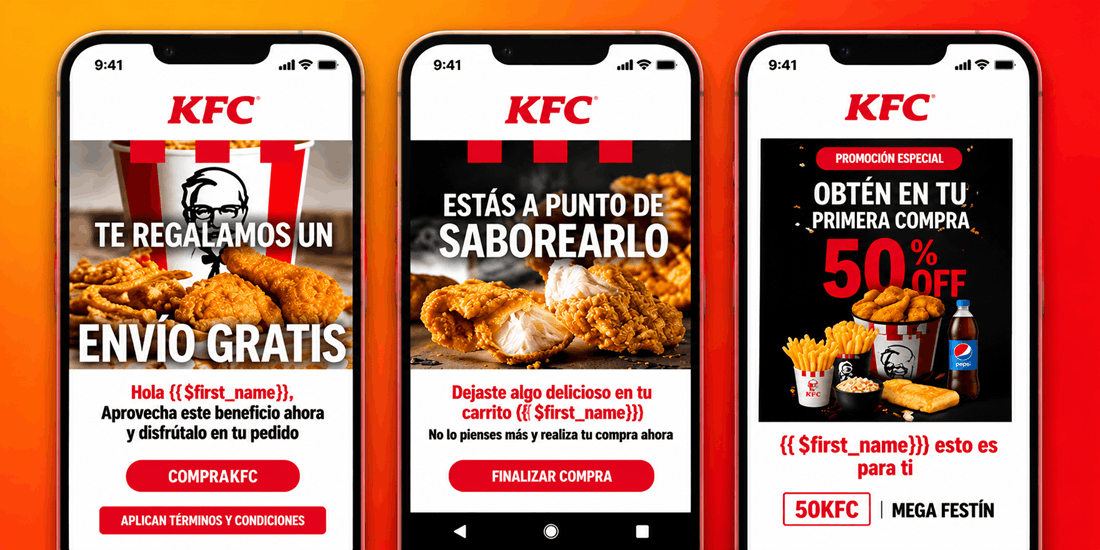
KFC’s branch in Ecuador has 148 outlets across the nation and thus a huge customer base. The main challenge was that customers downloaded coupons en masse but rarely redeemed them. The company used A/B testing of emails and web push notifications with free delivery and menu positions to identify the highest-engagement windows. Then, its AI tools performed predictive customer segmentation and fine-tuned send times to improve message visibility and coupon redemption rates, which significantly increased the app's open rates.
Instead of resorting to regular email and SMS marketing, Amazon relies on behavioral data to set up trigger-based messaging.
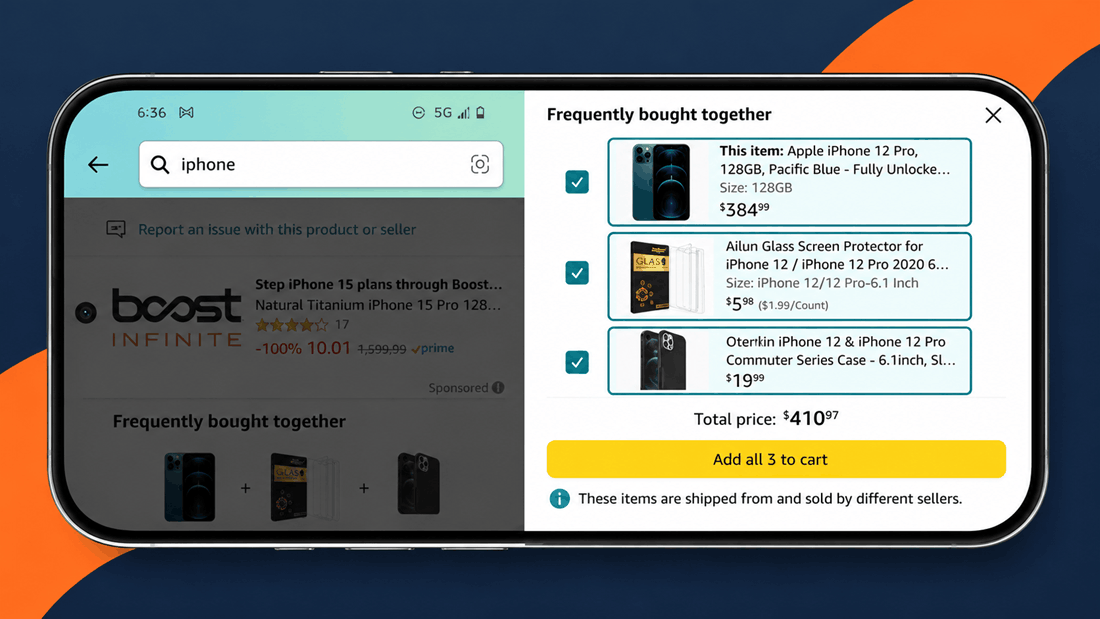
When a customer adds an item to their cart on Amazon, they receive a message recommending goods that are "frequently bought together." This next-best-action move aligns with the product already in the cart, so it greatly increases the success of cross-selling and upselling efforts while improving a shopper's customer lifetime value (LTV).
Churn prediction is the centerpiece of modern marketing strategies. Sephora takes it to the next level.
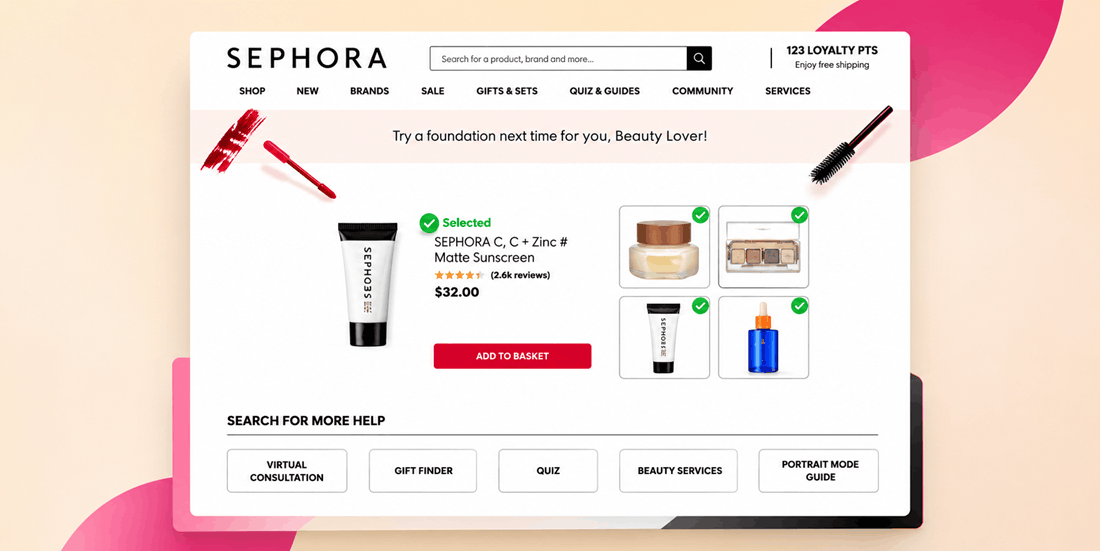
This personal care and beauty company leverages information on the lifespan of its products and the person's last shopping data to conduct predictive segmentation and send a notification to the customer at the moment when they are running low on a product. The company politely reminds customers they may need to restock — a step that improves retention and works well for re-engagement and win-back campaigns aimed at dormant customers.
Push notification personalization is a powerful mobile customer engagement tool. Images, dynamic interactive content, and personalized offers are almost impossible to resist, and Landmark Group knows it well.
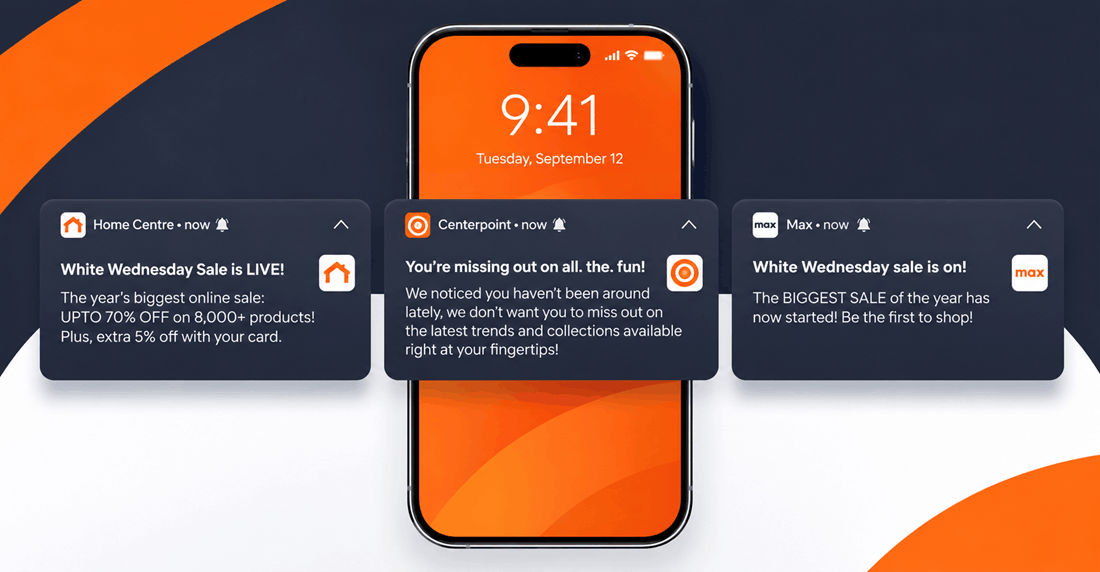
This international conglomerate, specializing in retail, fashion, and hospitality, launched a comprehensive in-app and push campaign focused on White Wednesday. The initiative turned out highly successful, driving a 35% uplift in subscribers and a 56% spike in purchases. Why? Because the company met customers halfway by involving behavioral segmentation that factored in their search history and past purchases.
Companies run quizzes, questionnaires, and preference polls as personalized mobile engagement initiatives that let them collect zero-party data about customers and create tailored interaction scenarios.
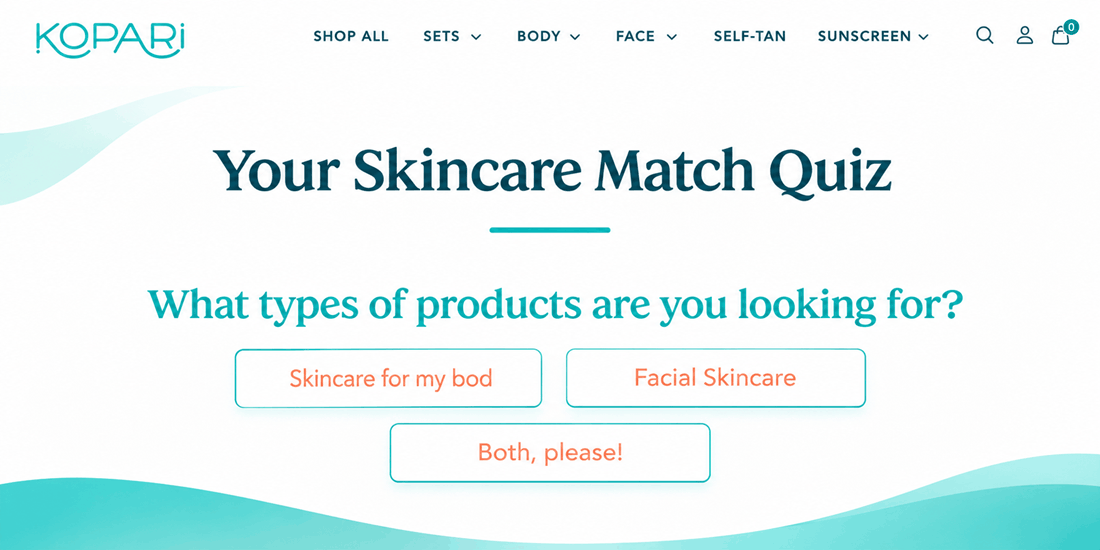
Kopari Beauty, a coconut-focused skincare brand, runs a quiz where it encourages shoppers to find the right item for themselves out of the company’s broad product line. At the same time, the quiz enables Kopari to learn a lot about its clientele.
Today, the power of AI is impossible to ignore. It can help marketers generate copy, images, messages, offers, and the like to match specific customer segments.

Revolut, a mobile-first fintech company, has a multitude of products to offer for various audiences, including even those seemingly irrelevant to the banking sector, such as pet owners.
Gamification in mobile apps is one of the most popular methods to improve mobile customer engagement on a personal level. App users receive tiered loyalty bonuses and rewards, personalized badges, progress points, free shipping, etc., turning brand interaction into a fun activity.
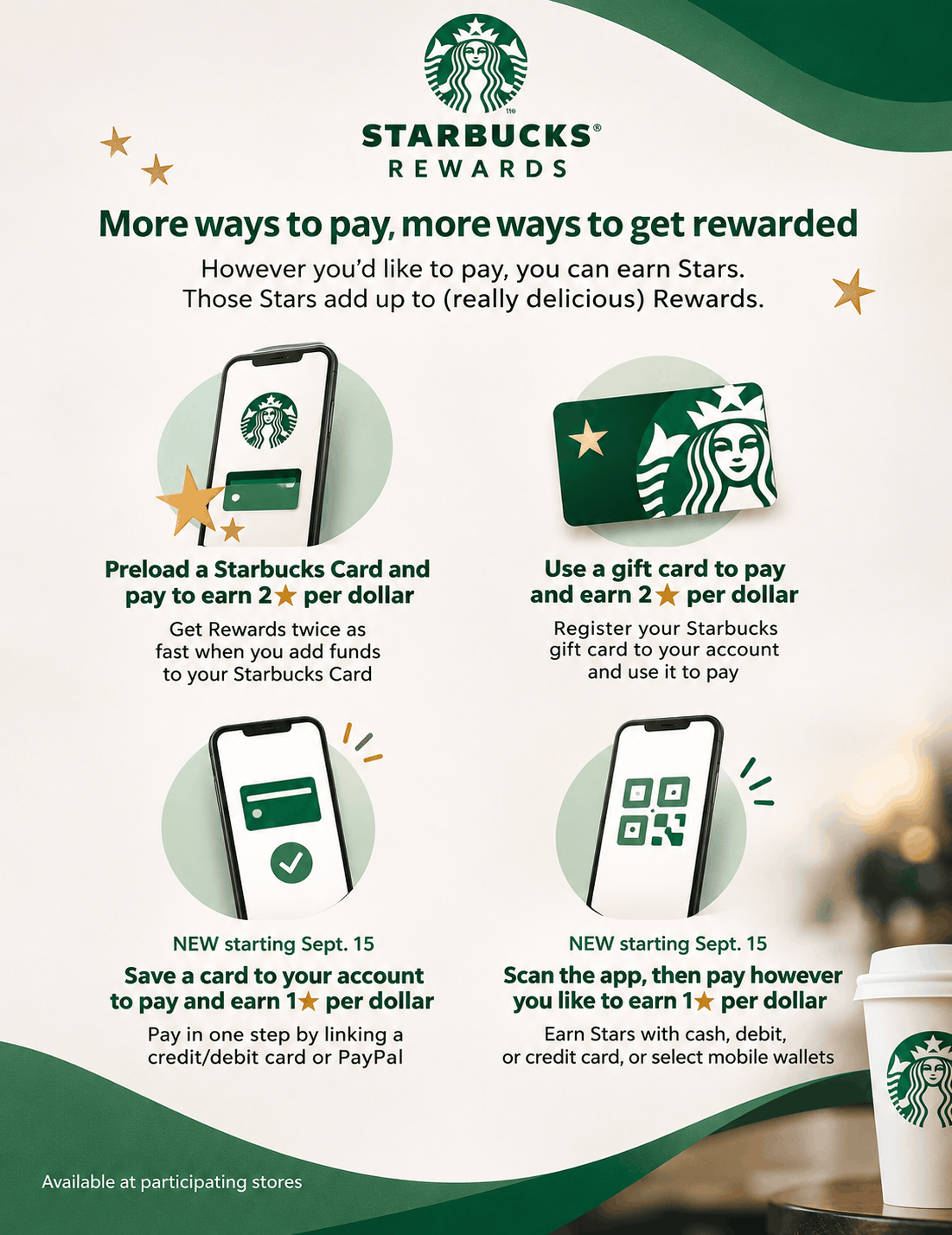
Starbucks awards stars for each purchase, which translate into personalized offers and enable customers to unlock higher tiers. The outcome is breathtaking: the company's loyalty program, built around personalized mobile engagement, accounts for 40–50% of its total revenue.
A single touchpoint in brand-customer interactions won’t take you far in terms of personalized mobile engagement. You can hit much better benchmarks through consistent mobile customer engagement across multiple channels (web and mobile push notifications, in-app messages, SMS, email, etc.). CHRIST, a German jewelry brand, learned that lesson well.
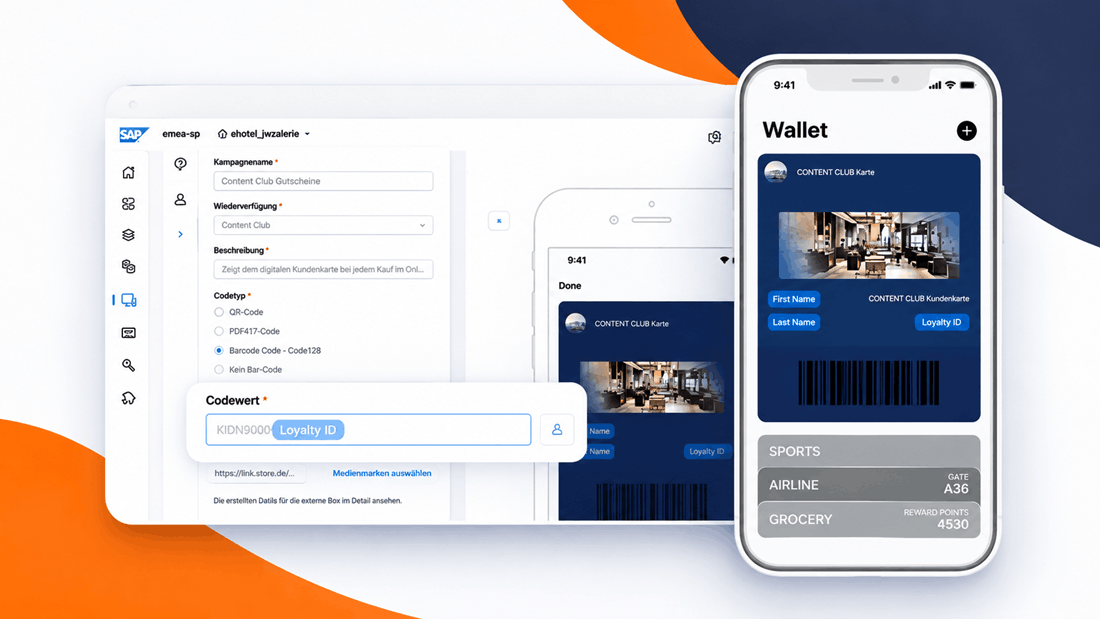
To orchestrate its mobile customer engagement efforts, the company pulled together data from POS systems, web, and loyalty programs. Then, this comprehensive data depot was used to administer coordinated email, web, and mobile wallet communications from a single platform. Such omnichannel coordination of mobile customer engagement has helped CHRIST boost traffic by 150% during the holiday season and increase CRM revenue by 20% within 12 months.
Whatever personalized mobile engagement tactics you resort to, it is essential to evaluate their success through tangible benchmarks.
Of course, the main benchmark is the engagement rate, which shows the percentage of users who interact with the app compared with your total audience. However, there are other metrics used to assess personalized mobile engagement, which fall into three categories.
The most popular indicators in this class are DAU (Daily Active Users) and MAU (Monthly Active Users), tracked for each period, respectively. A related metric is the app stickiness parameter, which is calculated as the DAU/MAU ratio. A healthy stickiness range is between 20% and 30%.
Retention rates also fall here, typically calculated on the first, seventh, and thirtieth day after app installation. They show how many users return to the app after the initial contact. Aim for 25-35% Day-1 retention, 10-20% Day-7 retention, and 5%-15% Day-30 retention.
Companies usually evaluate session length (how much time a user spends in the app), session frequency (how often a user opens the app within a certain period), and session interval (how much time elapses between sessions). Screen flow and screen views are also important, as they map a user’s path across personalized screens to the target action.
The vital metrics of this type are push opt-in rate (how many users allow push alerts), in-app and push conversion rate (the percentage of converted users as compared to general broadcasts), and feature adoption rate (the percentage of users who interact with personalized features).
If values of those metrics are substandard, it means you have made some bad calls in your mobile customer engagement efforts.
What are the typical missteps inexperienced marketers make when running personalized mobile engagement campaigns?
The rule “the more, the better” doesn't work for improving customer engagement. It is the opposite. Instead of engaging people, you annoy them and drive unsubscribes or even app uninstalls. How can you avoid it? Limit your push notifications or in-app alerts to two times a day maximum, and don’t forget to space them out by several hours at least. To prevent unintentional overspamming, use dedicated software where you can configure automated frequency capping.
Modern customers don’t think in isolated channels. They look at brand interactions as fluid, comprehensive experiences. So, instead of channeling all your efforts into one channel (forgive my pun), make sure to develop an omnichannel strategy that reaches out to each client across multiple touchpoints.
Own up to it: including a customer’s first name in a generic message template is not personalization. So don’t be lazy and instead go the extra mile by studying a client's behavioral signals, past purchases, and search history to earn your salt in customer engagement personalization.
What do you think a person feels like if they receive your promotional messages late at night or in the middle of a business meeting? Far from being pleased and ready to engage, right? More likely, they will be exasperated and hasten to opt out. Learn when customers open your messages and align your communications with local time zones.
You see an immediate spike in CTRs and think your personalized mobile engagement efforts work well? Not so fast. Perhaps during the same period, uninstalls and opt-outs still stay high, which doesn’t bode well for the efficiency of your campaigns. To receive a more objective picture, you should take a broader view and factor in long-term metrics such as retention rate, stickiness ratio, repeat purchase rate, and customer lifetime value.
Modern, privacy-aware customers smell a rat when they run into a brand that makes it hard for customers to opt out or stays vague about personal data collection. If you are one of those businesses, you'll lose consumer trust in no time. But you are in for even more serious trouble, as such online behavior violates data privacy regulations. To become a trustworthy organization and avoid legal headaches, provide a clear opt-out path, collect only the minimum necessary data, and shift to consent-driven marketing with the primary focus on zero-party and first-party data.
Once you manage to bypass these pitfalls, you still need one more element for successful mobile engagement personalization — specialized software to execute it.
If you need a top-notch messaging platform for subscription and mobile-first companies to implement large-scale personalization of mobile customer engagement, Reteno is your natural choice. With it, you can perform dynamic, granular audience segmentation. The segments are updated in real time as soon as user data changes and allow for adapting messages based on the user lifecycle stage (such as onboarding flow, engagement, conversion, retention, etc.). Also, Reteno’s lightweight mobile SDKs enable real-time tracking of user actions to configure event-based email automation and trigger personalized location-based messaging. Finally, you can orchestrate personalized omnichannel message delivery across push notifications, SMS, app inbox items, and in-app messages, providing a complete mobile outreach to engage your clientele.
In traditional mobile engagement campaigns, the audience is segmented into static demographic groups which are reached through scheduled, CRM-based delivery of broad message blasts. Personalized mobile engagement relies on dynamic, individualized, AI-powered user profiles updated in real time to send context-aware and event-triggered messages, which are orchestrated across multiple brand-customer interaction channels.
Companies that personalize their efforts in mobile engagement achieve longer session durations, improve customer retention, reduce churn, increase conversion rates, step up push opt-in rates, boost revenue, foster stronger loyalty, and enhance customer lifetime value.
In-app messages and banners appear inside the application to guide users, offer assistance, or highlight specific features. Push notifications work outside the app, delivering value-driven alerts. SMS messages are used to directly deliver urgent updates. Content cards and feeds appear in the app inbox to show personalized updates in a non-intrusive way.
Marketers use three types of triggers. Behavior-based triggers respond to real-time customer actions (onboarding, reaching a milestone, abandoning a cart, etc.). Attribute-based triggers rely on static data (date, name, demographics, and the like) to work. Location-based triggers deliver messages when the user enters a certain geographic area.


Vladyslav Pobyva
|
November 13, 2026
Find out how AI eCommerce personalization works, explore its tactics to boost conversions and retention

George Johnson
|
June 20, 2025
Discover the types, benefits, and strategies behind AI-driven personalization engines that boost customer satisfaction

Are your pushes as compelling as they could be? Find out with our free preview tool. Instantly see how your notifications will display on iOS and Android, in both expanded and collapsed views.
This is your chance to fine-tune your messages to ensure they're not just seen but felt. Make every character and every push work harder for your engagement goals


