
Vladyslav Pobyva
October 7, 2026
Vladyslav Pobyva
October 7, 2026
.jpg)
Even a visually pleasing app that performs its intended tasks perfectly won’t stand the competition if it can’t engage and retain a user's attention in more ways than one.
Here’s a small demand digest for 2026:
One of the proven ways to cover all these demands is to leverage gamification in apps, even in less interactive ones, like banking, eCommerce, and other niche applications.
Therefore, in this article, we take a deep dive into gamification — its underlying game mechanics, effective features, best practices, use cases, and more.
Gamification in mobile apps is the use of game-inspired mechanics, interactions, and various motivational principles in a non-game product to encourage specific user behaviors. You can gamify an in-app experience by borrowing certain gameplay elements or mechanics associated with games, like:
You may have noticed that there’s no app these days that wouldn’t feature interactive experiences — from virtual scores and goal systems to detailed tracking and built-in mini-games that keep a user busy, e.g., while their groceries are being delivered.
Accordingly, the industry has shifted focus from mere user acquisition to retention and habit formation. See, a company can spend heavily to acquire an install, but that install has limited commercial value if the user opens the app once and disappears. By using gamification in mobile apps, you can create more reasons for users to return for the experience. Instead of using the app as-is, they get to clear goals, follow guided paths, and track real results through personal achievements.
Effective app gamification can also help make abstract goals and progress concrete. For example:
Creating a meaningful core loop is a much more viable strategy than loud, generalized marketing promises.
Gamification in apps has a lot to do with behavioral psychology. Various incentives help create a dopamine loop that makes users come back for more app interactions. And when the user sees real, recognized achievements and milestones, the endowed progress effect acts as another major dopamine inducer.
These and other effects are commonly achieved through the following elements and systems.
Scores keep users excited and reflect their level of interaction through concrete milestones, sometimes posted for social recognition. Score points can be rewarded for various actions, achievements, and app use scenarios:
The rewarded points can also be re-used in-app as virtual currency, e.g., to unlock new themes or task tiers.
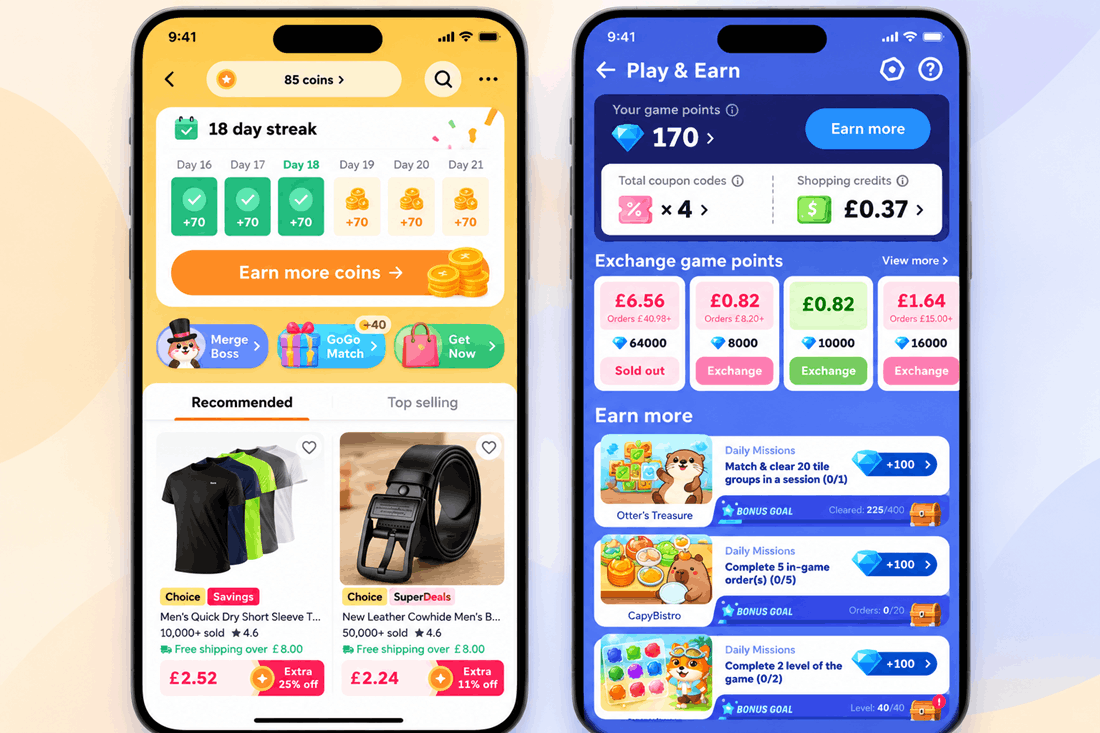
Badges enable symbolic recognition for completing a particular task or reaching a standout milestone. While points can be accumulated continuously, badges are permanent markers of accomplishment.
For some real-world app gamification examples, badges can be awarded in recognition of:
Furthermore, a collection of one’s badges can indicate their in-app identity: beginner, expert, frequent contributor, early adopter, challenge finisher, etc.
Leaderboards show how a user’s performance compares with others on the platform, introducing an element of social competition based on relative progress. Among the biggest common user motivators are status, social recognition, or personal comparison.
But global leaderboards can also discourage people if they keep appearing near the bottom of the pool. That’s why it’s best to make competition contextual: don’t rank users worldwide — create in-app groups with segmentation based on activity levels, friends, teams, or limited-time challenges. Let the app rank their performance individually so that everyone gets due recognition.
Explicit indications of user progress make an otherwise invisible user journey distinct and measurable in its track record. Completion tracking bars and indicators are especially efficient in multi-step experiences:
A simple indication — “7 of 10 actions completed” — creates an endowed progress effect, giving users a legitimate sense of advancement and a personal reason to return to the app.
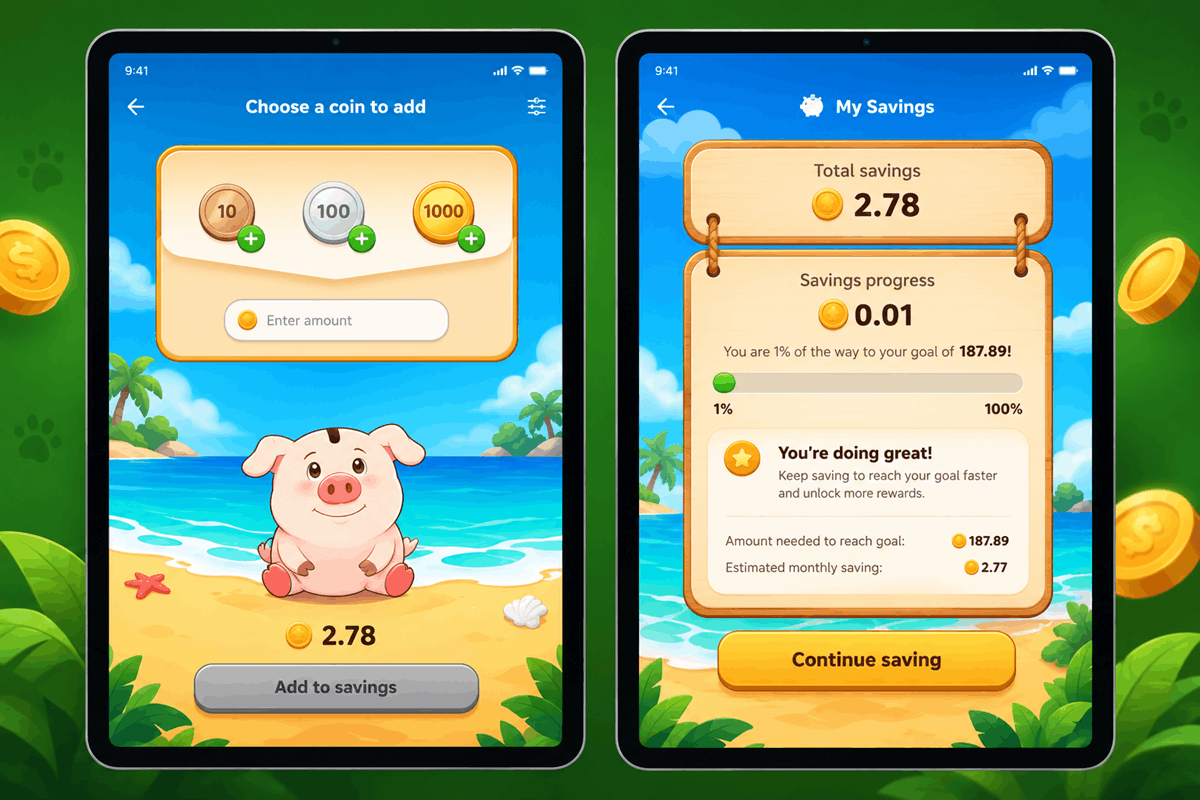
Levels help build and manage a hierarchy of user progress. Level progression is particularly effective when the app is meant to help:
Drawing from some real-world cases, skill progression and leveling systems can be implemented in a variety of ways, like:
Levels can also be used to change, personalize, and, literally, level up the user experience by unlocking a new capability, benefit, content category, or challenge.
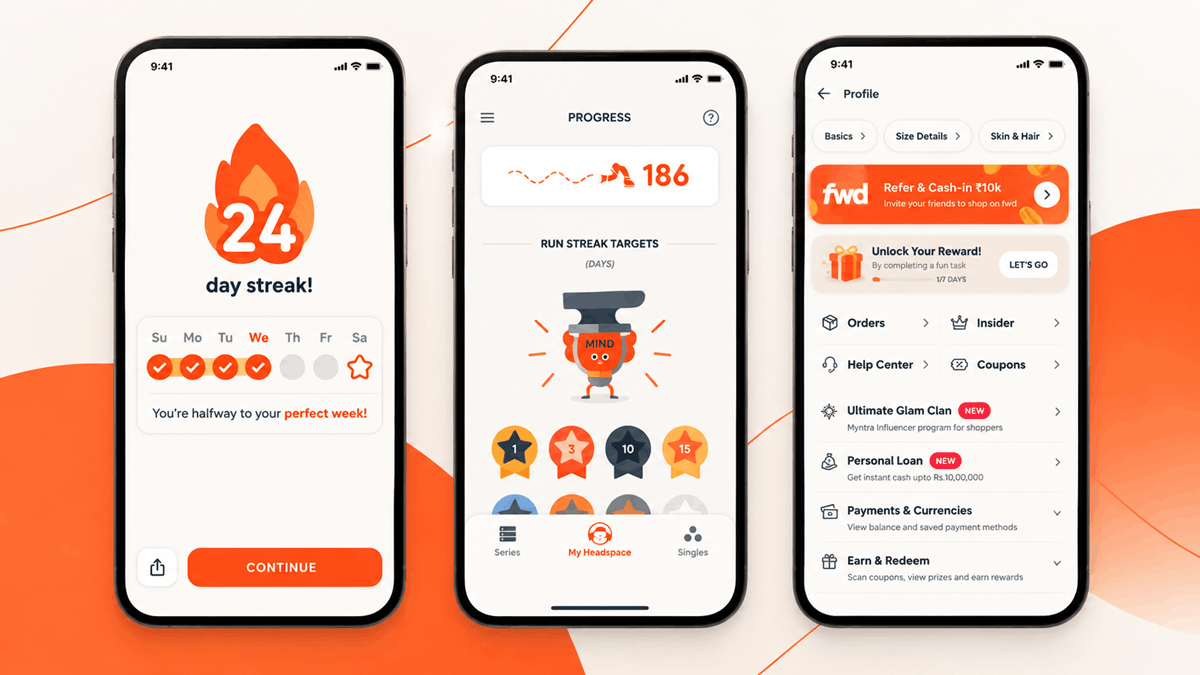
As soon as the user reaches a certain streak, the endowed progress effect kicks in, and a new dopamine loop forms. Now, the user gets intrinsic motivation to reach more goals consecutively, maintaining the streak, which can bring higher rewards with each new tier.
Streaks are especially suitable for activities based on repetition, which can be turned into habits, like:
However, it’s important to implement streaks carefully so as not to make users feel like one missed day destroys their whole progress. Streak freeze, simplified targets, and free streak recovery can help reduce the stressful all-or-nothing effect.
A system of challenges helps structure broad objectives and set up personalized quests that drive both intrinsic (completing in-app goals) and extrinsic motivation (achieving real-world milestones).
Prominent examples include:
These challenges are built around relevant user experiences — they promote products/services/opportunities available in the app while organically guiding the user.
A personalized reward system is an essential part of gamification in apps, which serves as the endpoint for many in-app target actions. Good incentives create major user motivation based on the exchange of value — users’ time/actions for rewards, which may include:
Also, offering relevant incentives is a perfect way to re-engage inactive customers on a mobile app.
While the above info should help prioritize features, here’s how you take the entire process of implementing gamification in mobile apps step-by-step:
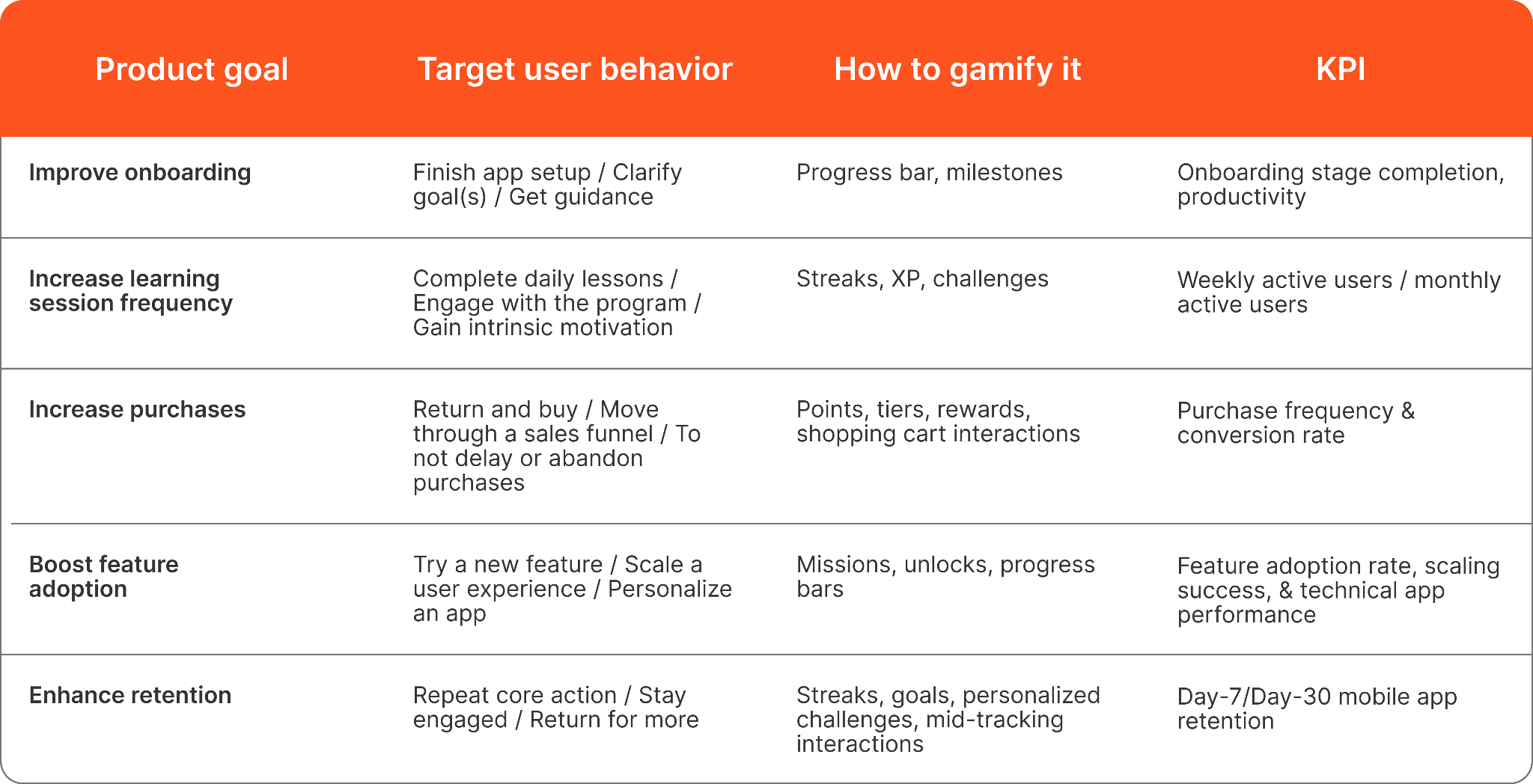
Start with a clear business problem:
Each problem requires a different intervention.
Here are some hands-on examples:
Why should users want to perform the target behavior? To research opinions of your future users, you can turn to:
These insights will show what one user group values more than another, e.g., mastery, recognition, competition, progress, pure convenience, exclusivity, rewards, or social connection.
Now map the desired behavior to the mechanic that can support it.
A simple framework is:
Behavior → motivation → mechanic → reward → feedback
For example:
Complete a workout → to gain progress and achievement → see a milestone recorded → get a badge → receive a personalized progress notification
Or:
Repeat a purchase → to gain savings and exclusivity → collect points and advance through tiers → get a discount → see progress toward the next reward
The core loop is basically what repeatedly happens from one user action to the next.
A healthy feedback loop will look as follows:
Trigger → action → feedback → progress → reward → next goal
For example:
You receive a personalized fitness challenge → you complete a workout → you see the progress increase → you get a badge → you get recommended the next activity
To personalize gamification in apps, you’ll need to set up a real-time data flow. Namely, your application may need data from:
Data integration will help track personal progress and tailor challenges to specific user experiences.
At this stage, the mobile app gamification mechanics you previously chose are turned into actual app functionality. Their implementation may include:
The backend should be the source of truth for important scores, rewards, achievements, and eligibility rules. API architecture also matters, especially if points, achievements, or challenge status must work across iOS, Android, web, etc.
Gamification in mobile apps requires more than functional testing. Test whether:
Usability testing is particularly important for understanding how features work in practice.
The launch should mark the beginning of your gamified app’s optimization. For this, measure the target behavior:
Where possible, use A/B testing to see how mobile app gamification impacts users versus other product changes.
Some of the standout real-world app gamification examples can give you a broader understanding of how gamification in apps works and inspire your next engaging solution.
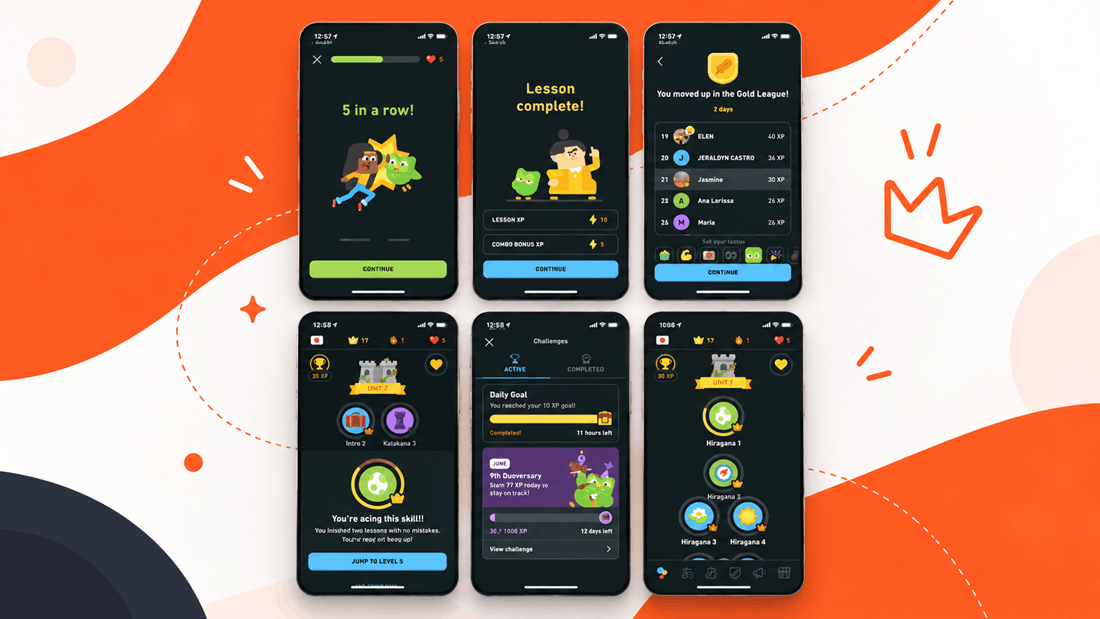
Duolingo is a go-to language learning app that offers several simple mechanics combined into a well-structured progression system with:
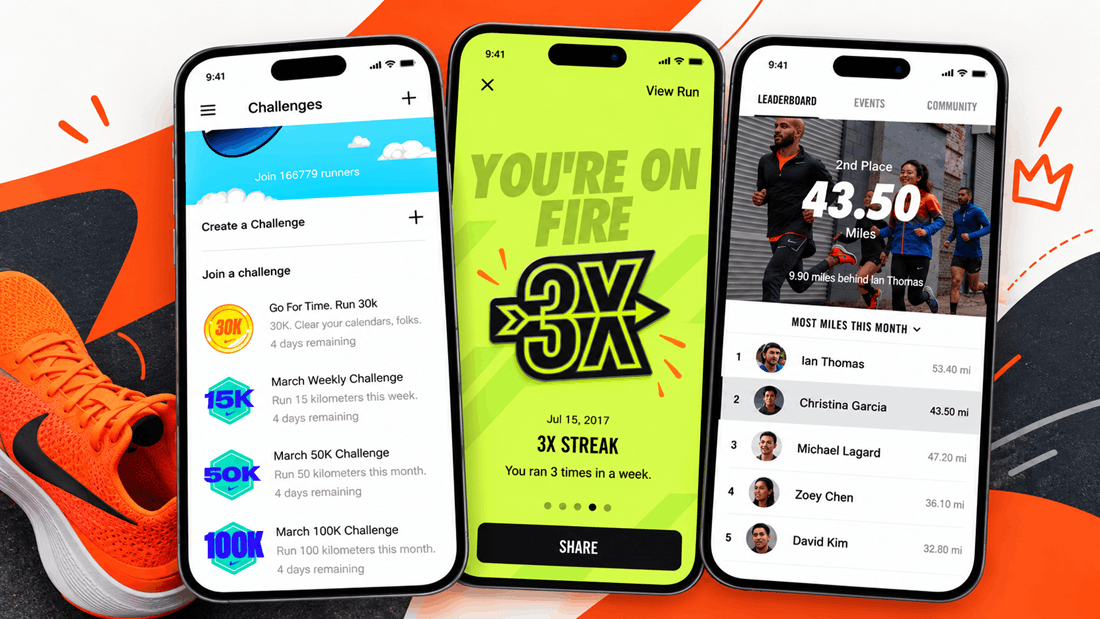
Nike Run Club makes running actually fun by introducing you to the eager community and enabling:
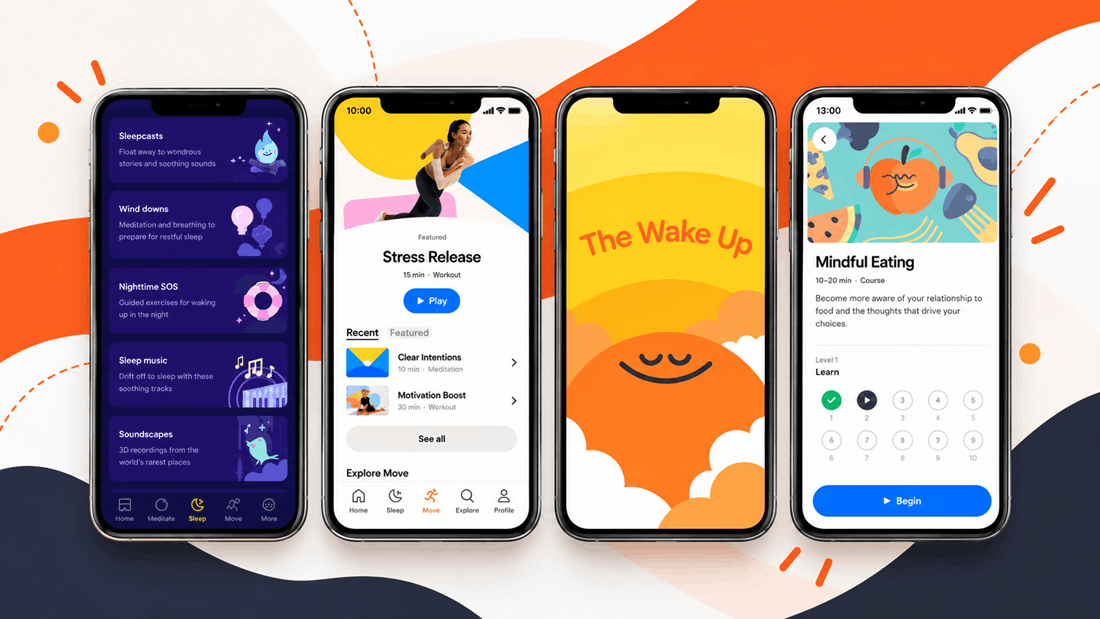
Headspace is a perfect example of leveraging gamification in apps that aren’t related to games — it guides meditations with features like:
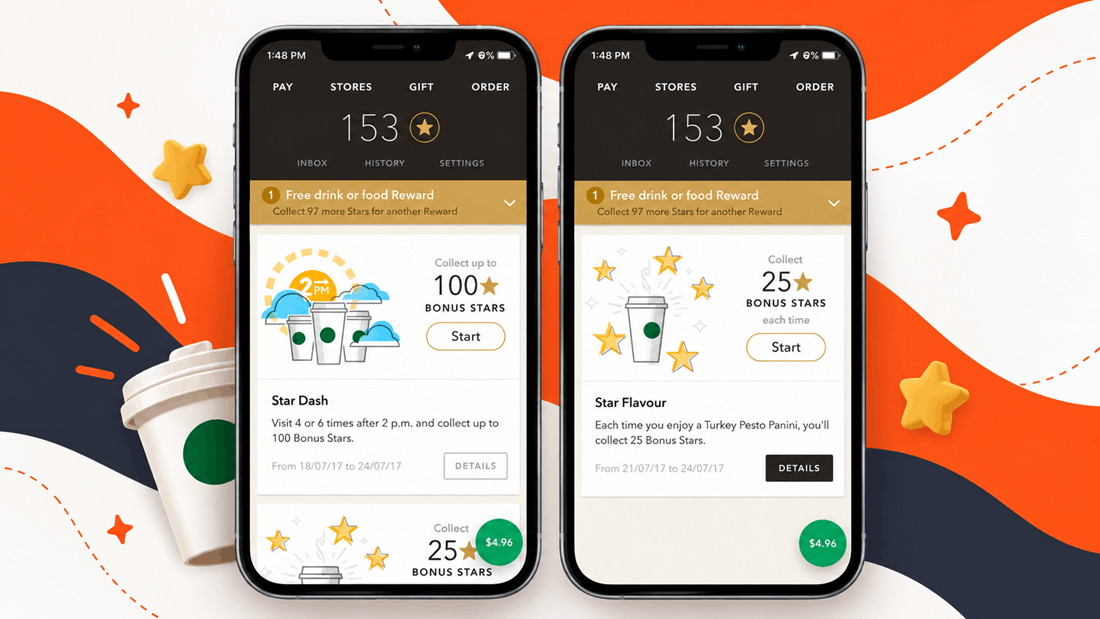
The Starbucks app leverages app gamification to stimulate loyalty and orchestrate purchasing behavior with features like:
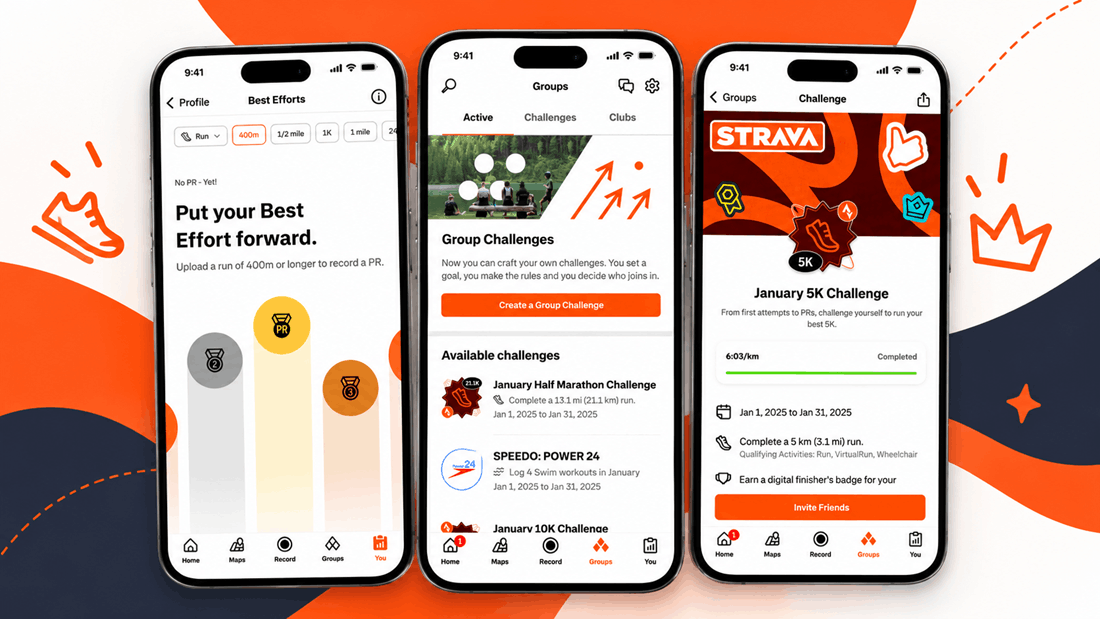
Strava combines GPS with gamification in mobile apps to help make cycling routines not only well-trackable but also exciting and competitive thanks to:
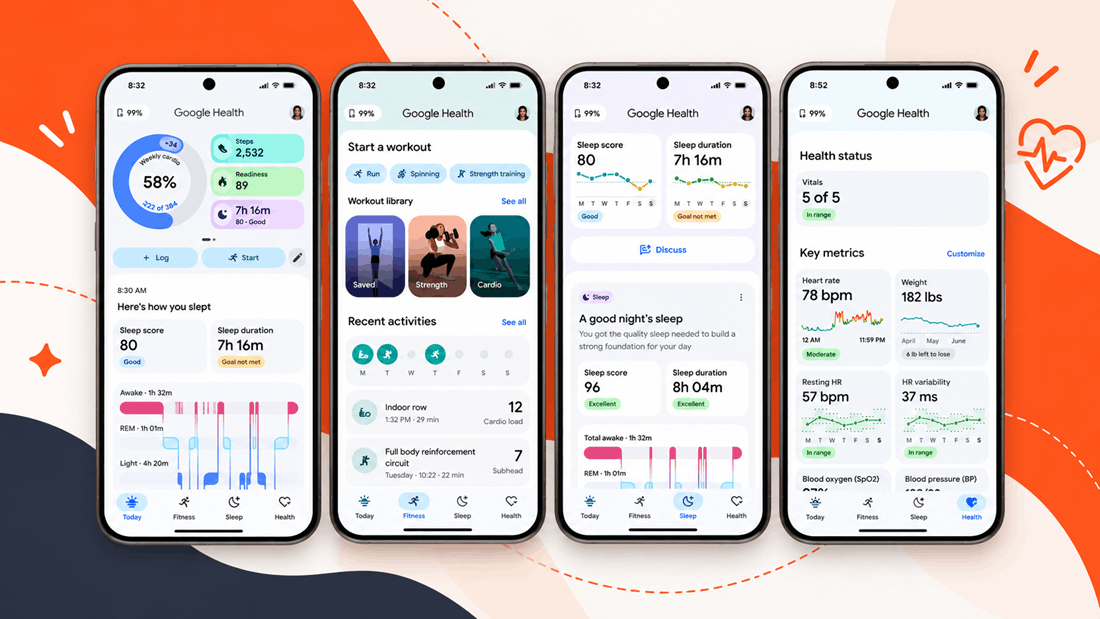
Formerly Fitbit, Google Health is a personal health tracker and fitness coach that motivates users to strive for the best shape (both in body and mind) through:
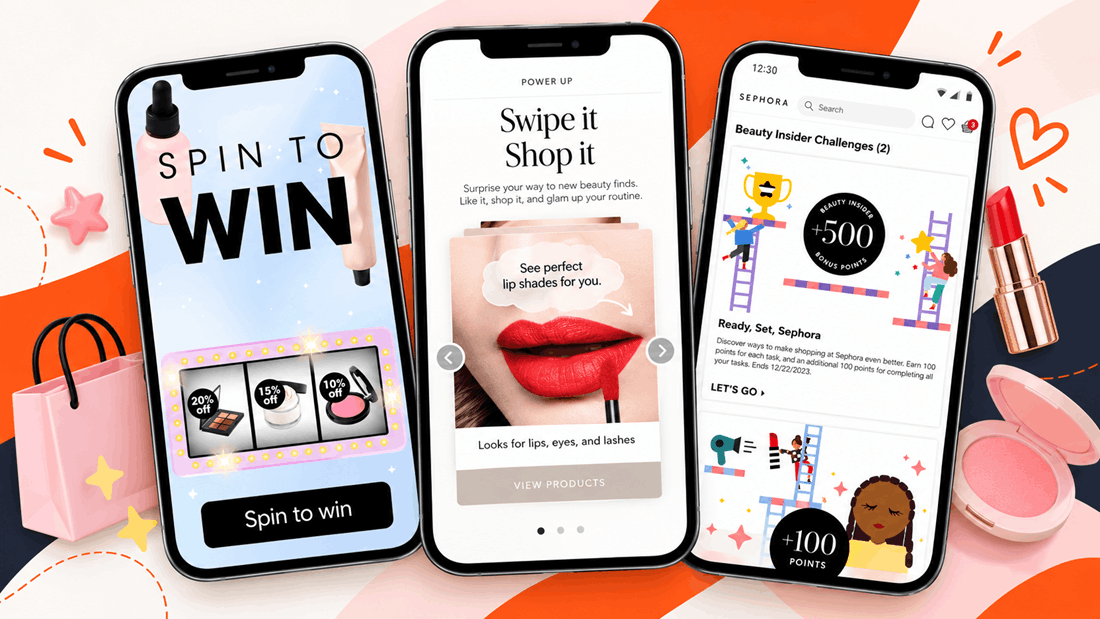
Sephora’s dedicated app uses gamified loyalty mechanics tied to points and rewards that can be acquired in real stores of the brand:
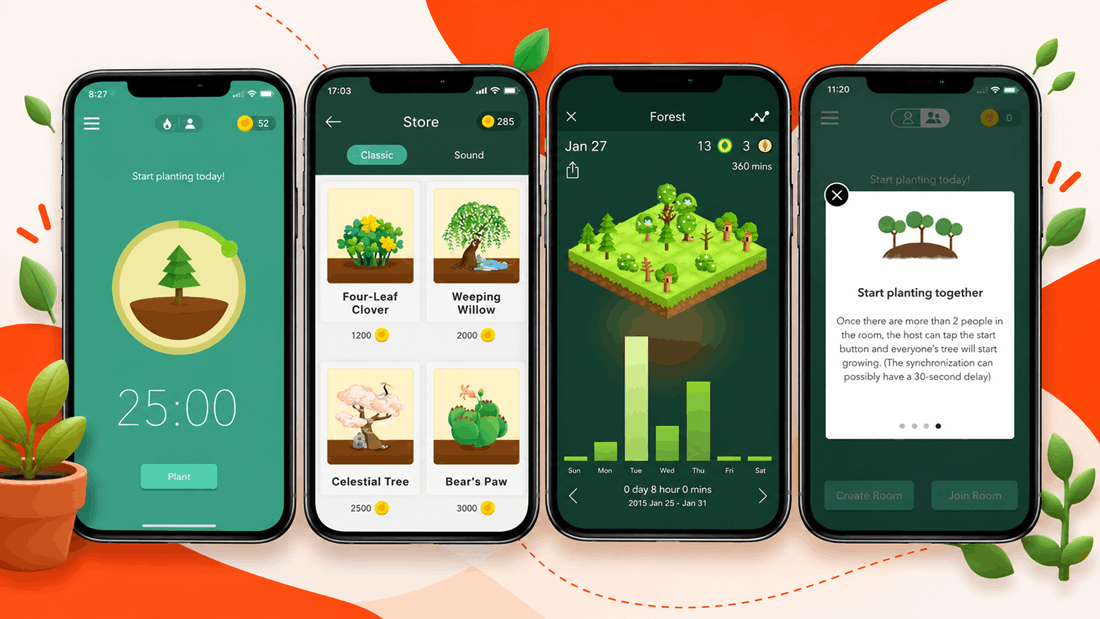
The Forest app promotes mindfulness and lets you grow a tree by staying focused, keeping the experience gamified via:
You can implement gamification in apps in a variety of ways, but make sure to avoid common pitfalls and leverage the well-tried best practices.
Start with what your target segment of users desires as the outcome. If it’s a specialized app, e.g., an education app, and the user expects to learn, gamify around that process; if it’s a delivery app that the user checks for updates, create a more detached experience purely for pastime.
Even digital rewards should have perceived value, be it social or otherwise. It’s crucial to not simply come up with relevant incentives but to structure lifecycle campaigns for different user groups. This way, a first-time user will get a discount while a long-standing client gains loyalty points.
Personalization makes gamification in apps free from senseless repetition. Instead of giving everyone identical objectives, you should vary challenges according to:
If you need a fast, issue-free, and cost-efficient way to implement gamification in mobile apps, you can leverage Reteno’s capabilities pre-optimized to segment, retain, and increase active users via well-tested strategies and integrations. With Reteno, you can use behavioral data and segmentation to deliver relevant gamified experiences throughout the customer lifecycle. Personalized push notifications, in-app messages, and other triggered communications can then support challenges, rewards, streaks, and progress-based campaigns.
Today’s smartphone owners expect only the most entertaining and interactive experience from just about any mobile app. The use of gamification in apps allows you to provide such experiences, built on clear motivational systems and relevant user behavior. Just make sure to put the user's convenience above the gameplay element itself.
(1).png)
(1).png)
.png)

Alex Danchenko
|
October 31, 2022
Figure out how gamification in mobile apps helps marketers engage, retain, and simplify interaction with end users

Myroslav Protsan
|
July 18, 2025
Uncover the role of mobile engagement in app retention, how it works behind the scenes, and how to apply it to grow a loyal user base

Are your pushes as compelling as they could be? Find out with our free preview tool. Instantly see how your notifications will display on iOS and Android, in both expanded and collapsed views.
This is your chance to fine-tune your messages to ensure they're not just seen but felt. Make every character and every push work harder for your engagement goals


