Market Positioning

Alex Anikienko
Expert Writer
March 19, 2026
Expert Writer
March 19, 2026
Some brands are understood in a second. Others make people squint. That difference usually has less to do with product quality than with clarity. When a brand lands in the customer’s mind in a neat, memorable way, that is where market positioning starts to earn its keep.
Market positioning is the place a brand manages to occupy in a customer’s head compared to other options in the same category. Not on a spreadsheet. Not in a founder’s deck. In the customer’s head. That is the battlefield.
Think about Spotify. Plenty of music apps exist, but Spotify has long been associated with personalization, playlists, and that feeling of “it already knows what I want to hear.” Or take Calm. It is not just a meditation app. For many users, it feels like a small pocket of quiet in an overcaffeinated phone. That emotional shortcut is market positioning.
Market positioning is not a tagline, and it is not just brand positioning with a coat of paint. It is what people actually think of when your name comes up — shaped by your product, your pricing, how your ads sound, what your support rep says at 11pm on a Sunday, and about a dozen other things that add up quietly over time. When those things pull together, people understand you without needing to be told twice.
Here is the uncomfortable truth: customers rarely study brands with academic patience. They scroll, compare, hesitate for three seconds, and move on. In mobile especially, choice is brutally wide and attention is painfully thin. If your app page, onboarding, ads, and push messages do not tell one coherent story, users feel that wobble immediately.
This is why market positioning matters in practice. It forces a company to get honest about who it is actually for, what those people care about most, and what the brand should mean to them. That might sound like a workshop exercise, but it has real teeth — it shows up in the first line of your landing page, in which features get top billing during onboarding, in how your push notifications are written, and in whether your loyalty program feels like a reward or a chore.
Imagine two budgeting apps. One says it helps “manage finances efficiently.” The other says it helps anxious spenders feel calm and in control before payday. The first one sounds like wallpaper. The second one sounds like it knows a real human problem. That is strategic positioning doing its job.
For brands trying to increase active users on mobile app, this matters even more after the install. Positioning should not disappear once acquisition is over. It should be visible across customer touchpoints – onboarding, in-app nudges, retention emails, upsell moments, even cancellation flows. If your promise says “simple,” but your first session feels like tax paperwork, users will not stay to admire your clever copy.
A brand with sharp positioning is simply easier to hold in memory. It does not blur with everything else. Duolingo is a useful example here. The owl, the playful tone, the streak pressure, the light guilt, the little hits of reward – all of it works together. Even people who have not opened the app in months still know what it feels like. That is brand awareness with a pulse.
Consistency helps here more than many teams admit. Marq’s research has found that consistent brand presentation is associated with revenue growth of 10% to 20%. That does not mean visual identity alone prints money. It means repetition builds familiarity, and familiarity removes friction when people are choosing quickly.
A sharp market positioning strategy makes comparison easier for the buyer and much less pleasant for competitors. Instead of fighting over vague claims like “high quality” or “great service,” you give people a firmer hook. Fastest. Safest. Easiest. Most flexible. Most premium. Most beginner-friendly. The category stays the same, but your angle becomes hard to confuse.
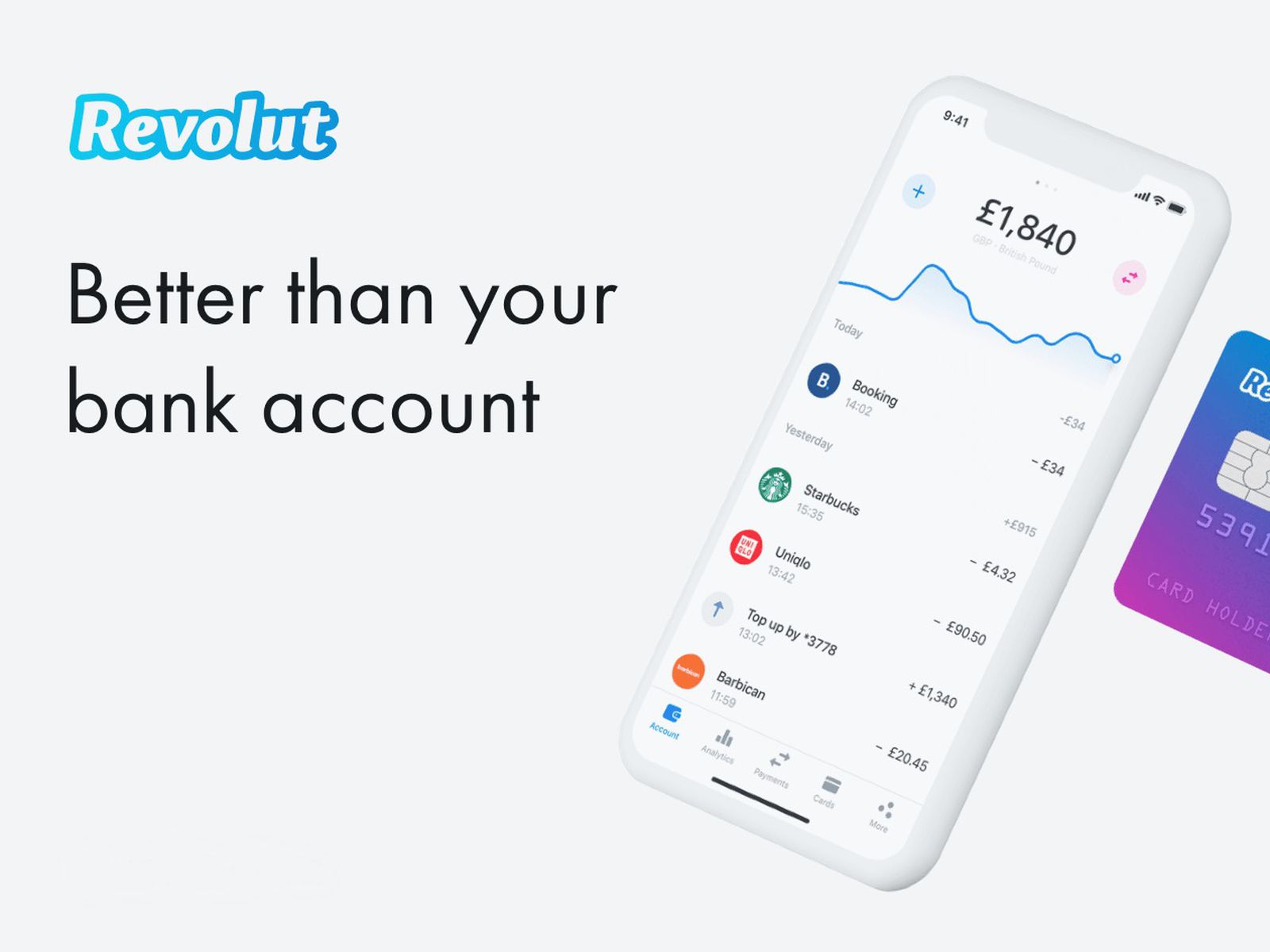
Take Revolut versus traditional banking apps. Its edge was not just features. Speed, flexibility, and zero paperwork energy — that was the whole point. It presented money management as something that could move at the speed of modern life instead of crawling behind bank-office logic. That is a competitive advantage customers can feel without needing a lecture.
Positioning is also a promise about what kind of experience a person should expect. When that promise is met again and again, trust grows almost quietly. Not with fireworks – more like bricks stacking into a wall.
And trust now has more emotional weight than many brands would like to admit. Edelman reported that 84% of people globally say they need to share values with a brand in order to buy it. So positioning is no longer just about sounding different. It is also about feeling aligned.
This is why customer loyalty often starts before the product proves everything. Users stay with brands that feel coherent. They know what they are walking into. There is less disappointment, less cognitive whiplash, and usually better customer satisfaction because the brand did not oversell one thing and deliver another.
Good market positioning can improve conversion, retention, and monetization because it filters in the right expectations. That part gets ignored too often. People love talking about acquisition, but weak positioning fills the funnel with the wrong users and leaves product teams cleaning up the mess later.
For ecommerce apps and subscription products, market positioning is closely tied to a mobile app growth strategy. It helps acquisition creatives speak to the right pain point, gives onboarding a clear direction, and makes upsell moments feel more natural. AppsFlyer’s 2024 ecommerce app marketing report also highlights how brands are investing in loyalty programs and customer lifetime value, which only works well when the brand promise is clear enough to sustain over time.
Positioning that tries to speak to everyone tends to end up connecting with no one. The starting point has to be a specific group of real people — not a lazy line like "adults 18–45," but an actual picture of someone with habits, frustrations, and a reason to care. What is that person trying to get done? What are they already using? What would they give up, and what would they refuse to? A language app built for time-strapped professionals has almost nothing in common with one built for teenagers who want points and streaks — even if the core product is identical.
.jpg)
Market segmentation gives the strategy its backbone. It helps you separate people who look similar on paper but behave very differently in reality. Then, competitive analysis tells you what those people already believe about the market.
This is where a perceptual map can be surprisingly useful. Plot the category by two variables that actually influence choice – maybe “simple vs advanced” and “affordable vs premium.” Suddenly, you can see where everyone is piling up and where the air is still open. Sometimes the opportunity is not to shout louder. Sometimes it is to stand one step to the left of the crowd.
The UVP is where the positioning gets compressed into its sharpest form. It has to answer the question every potential user is quietly asking: out of everything available, why this, and why now?
A good UVP is concrete. It talks in terms of customer benefits, not internal pride. “Sleep stories and calming audio to help you switch off at night” is much stronger than “innovative wellness content.” One sounds like a human problem. The other sounds like an agency invoice.
.jpg)
Points of differentiation (PODs) are the reasons to choose you. Points of parity (POPs) are the minimum reasons to take you seriously. You need both.
For example, a grocery delivery app may position itself around speed – that is one of its PODs. But if it lacks reliable payments, delivery tracking, or decent support, it misses essential POPs and the whole thing starts to wobble. Great market positioning is not just about being special. It is about being special without forgetting the basics.
A coherent brand identity reads like one person speaking, not six departments taking turns. The tone in your ads, the look of your UI, the copy inside the app, the way your emails open — they should all feel like they came from the same person on the same day. When they do not, users pick up on the inconsistency before they can name it. Something just feels off. Consistent messaging is what closes that gap, particularly in mobile, where the journey from ad to app store to first session can happen inside ten minutes — across all customer touchpoints.
Positioning is not a framed statement that lives forever. Markets move. Competitors copy. Trends age badly. Monitoring and evaluation help you see when your old message has started to sag.
Watch how users describe you in reviews. Track conversion by segment. Look at retention, churn reasons, support tickets, and customer satisfaction data. Sometimes the answer is a small wording change. Sometimes it is full repositioning.
This works when cost is one of the biggest drivers in the category. Think of apps that lean hard into “free,” “best value,” or “premium worth paying for.” It can be effective, but it is slippery ground if lower prices are your only trick.
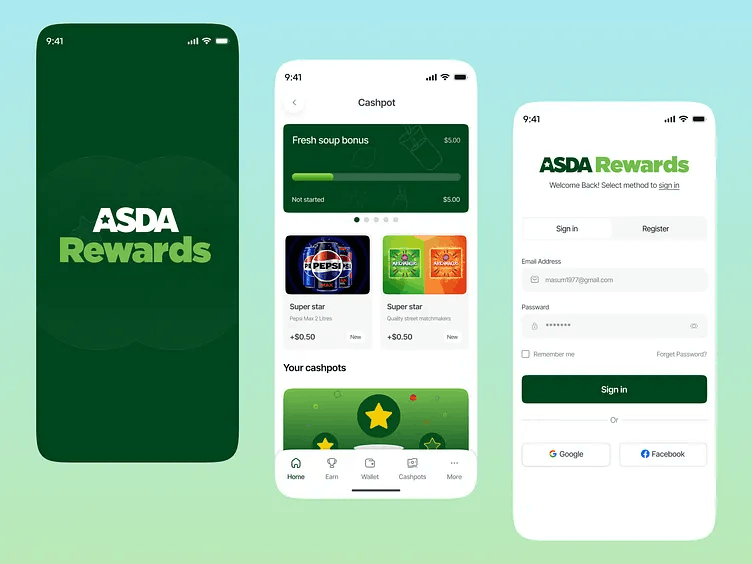
This type highlights excellence, reliability, craft, or premium experience. Headspace and Calm, for example, both operate in wellness, but premium feel is a major part of why people perceive them differently from lighter, more utility-first apps.
This is one of the most practical market positioning strategies because it focuses on the result users want. Not the feature list. Not the architecture. The result. “Find the fastest route home.” “Learn a language in 10 minutes a day.” “Track every run and see yourself improve.”
.jpg)
Some brands win by speaking to a very specific slice of the market. Strava is not trying to be a generic fitness tracker for everyone with a pulse. It is built around identity, ambition, and community for active people who care about performance and progress.
This approach works best when users are actively comparing options and just need a clear reason to land somewhere. In fintech, productivity tools, and ecommerce apps especially, competing products tend to stack up feature-for-feature, and the differentiator has to be made obvious rather than implied.
Do not begin with clever copy. Begin with listening. Read reviews, interview users, speak to sales and support, and look at search queries people actually type. Good market positioning strategy often starts in messy language – frustrated, emotional, very unpolished language. That is where the gold is.
Each category has friction points. Cheap versus premium. Simple versus customizable. Fast versus deeply featured. Your market positioning strategy becomes stronger when you choose one tension and commit. Brands get weak when they try to sit on both chairs at once.
A positioning statement alone does not save anyone. The positioning has to do real work beyond the strategy document — it should be visible in how onboarding is sequenced, how pricing tiers are named, what the app copy actually says, how CRM flows are written, and how loyalty programs are presented. If the brand promises simplicity, every step toward value should feel easy to take. If it promises control, options should appear early and without friction.
Use paid ads, app store variants, onboarding experiments, email subject lines, and win-back flows to test how different messages land. A market positioning strategy should survive contact with real users, not just internal applause.
Strategic positioning is the bigger picture. It decides what lasting role the brand wants to play in the market and which emotional or functional space it wants to own over time.
Competitive positioning is more tactical. It helps answer why your app is the better choice than a close alternative right now. One is the long game. The other is often the match point.
Duolingo's identity and playful learning have become nearly inseparable at this point. The company reported crossing 50 million daily active users in 2025, which says something about how far that positioning has traveled when it started as a free language app with a cartoon owl.
.jpg)
Calm is a classic case of product positioning meeting emotion. It sells sleep, focus, and decompression, but really it sells a softer atmosphere. It is the app equivalent of dimming the lights after a noisy day. That is why its branding, audio, and visual identity matter so much.
.png)
Revolut positioned itself around flexibility and speed in a category that often felt stiff and overcomplicated. For people who travel, split bills, manage multiple currencies, or simply hate old-school banking friction, that positioning makes immediate sense.
Strava is not just about tracking movement. It turns exercise into identity and progress into social proof. That combination gives Strava something a generic fitness tracker cannot easily replicate — retention that goes beyond habit into something closer to belonging.
.png)
Positioning is the difference between a brand that clicks immediately and one that people scroll past without registering. For mobile and ecommerce brands, getting it right means every channel, message, and moment of the user journey feels like it belongs to the same story — rather than a collection of tactics that happen to share a logo.

.jpg)
