
Alex Anikienko
Expert Writer
January 20, 2026
Alex Anikienko
Expert Writer
January 20, 2026

Many newcomers to the realm of mobile app marketing erroneously believe that launching their app marks the final point in the development journey. But in fact, even the most unique and user-friendly app ushered in by a robust pre-launch campaign and preceded by a skillfully orchestrated soft launch won't get you far unless you master growth hacking. Simply put, even the greatest product can fail if you don’t invest effort into its app growth roadmap.
This article will discuss the core concepts of mobile application growth strategy, explain its importance, showcase eight successful strategies that led to sustainable app growth, and describe the basic KPIs to gauge the efficiency of each app growth strategy.
Sustainable growth means keeping what you have while also expanding your reach. This is especially true when talking about the long-term growth of mobile apps. The owner’s ultimate goal is to increase active users on a mobile app while also retaining the existing ones. So, a mobile app growth strategy is a set of measures a company employs to enhance mobile user acquisition and retention, thus augmenting the reach of its product and ensuring that it expands into new markets and audiences.
No matter how effective it may be, any single strategy can’t get you covered in terms of both retaining and acquiring high-quality users. A campaign requires a unique and balanced combination of several mobile engagement and retention techniques to reach its full potential.
Having a well-developed growth strategy is the only way to achieve:
But what strategies should you choose?
Unlike more time-consuming organic techniques, paid ads will get you results in no time. Featuring your app on prominent online platforms (for instance, high-traffic resources such as Google or Meta, or at the top of app store search results) boosts its discoverability and reach, which translates into higher customer acquisition, greater brand awareness, and better re-engagement of existing users.
The only way to make your app feel personalized is through in-depth analysis of user behavior, tastes, and preferences. AI-driven and machine learning tools can help you sift through tons of customer data and get to know your clientele inside out. Alternatively, you can employ customer data platforms (CDPs). With this information in hand, you can tailor your offers, win user trust, and forge stronger ties with your audience.
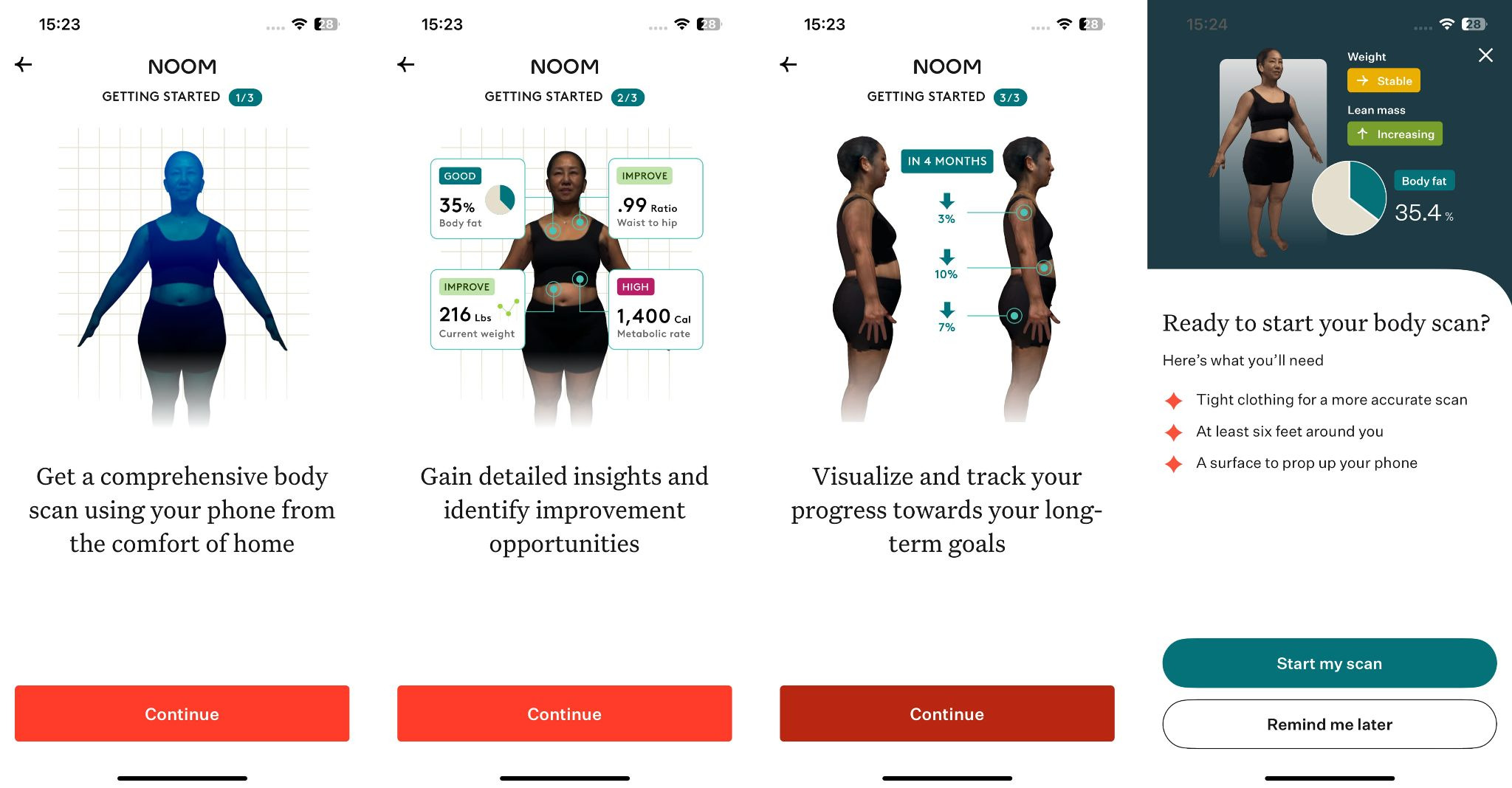
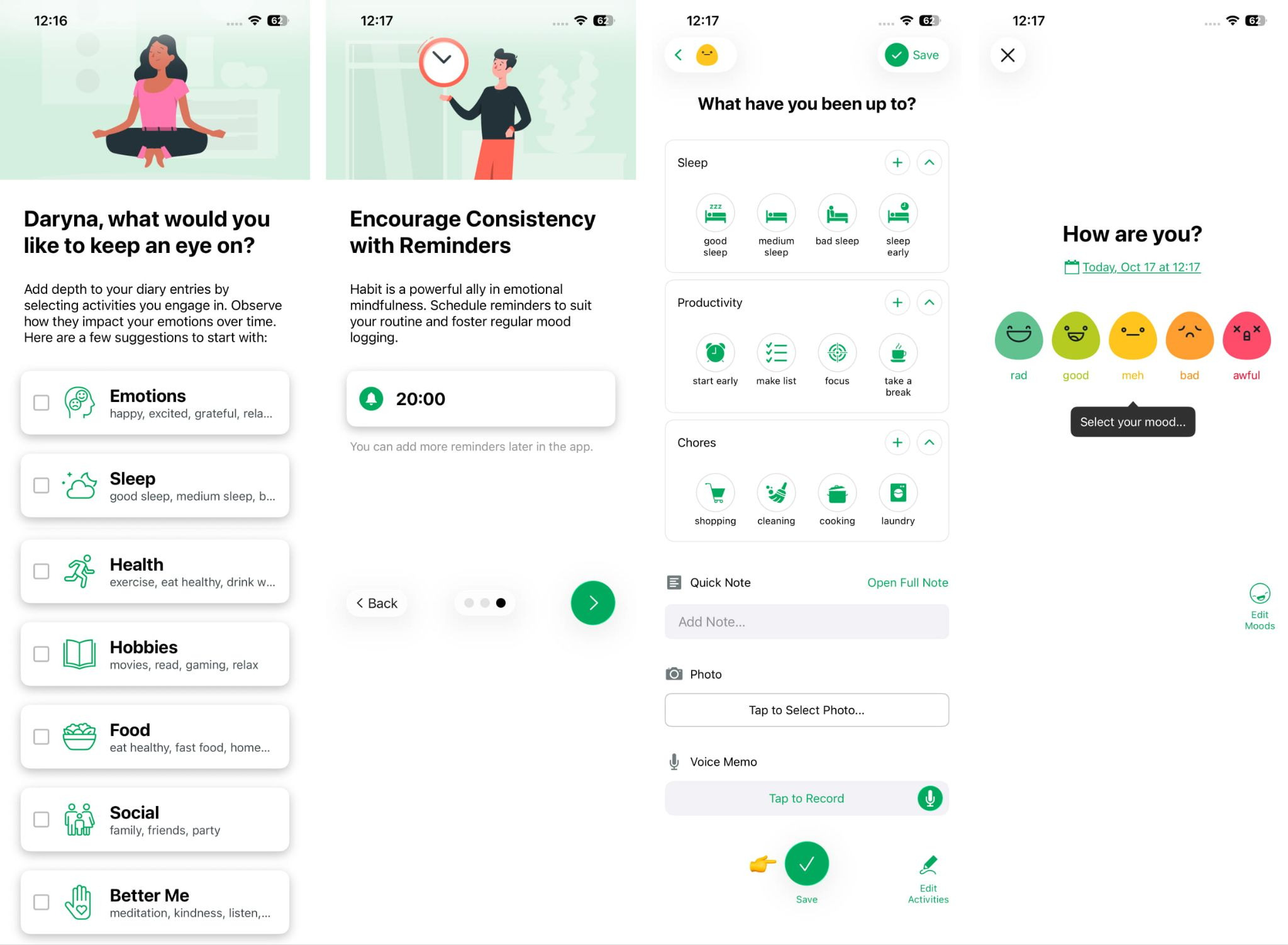
Humans are lazy. If the app's onboarding and registration are too complex or require too many steps to complete, users are likely to jump ship in search of simpler products. And given the cutthroat competition in the mobile market, they are sure to find what they are looking for. To rule out such cases and ensure steady expansion of your user base, you should use interactive in-app tutorials, always showcase the app’s benefits from the outset, and offer a wide range of registration options (Google account, email, social networks, you name it).
Ours is the time of cult figures, idols, and superheroes. When they do or say something, their fan base is ready to follow suit and be like Mike. You should make the most of this trend and involve luminaries and opinion leaders in coordinated launches, giveaways, contests, or even direct advertising and long-term partnerships. Famous people can even become your brand’s ambassadors, naturally boosting your reach.
If your business has a brick-and-mortar storefront, missing out on this strategy is the single worst mistake you can make. Location-based marketing focuses on users who are physically close to the point of interest, which means they’re more likely to be interested in what you offer. As proven by numerous studies, geo-targeted ads generate 40% more conversions than those where the enterprise’s location stays out of focus.
Overreliance on in-app messaging campaigns limits your customer reach. You should be able to get through to your potential and current clients via multiple customer touchpoints (email, SMS, push notifications, website, etc.). Yet, a simple messaging coordination across these channels is sadly not enough. You should take pains to ensure that the web-to-app journeys you plan are as seamless as possible, directing site visitors to your native app, which in turn will hook them with onboarding and engagement programs.
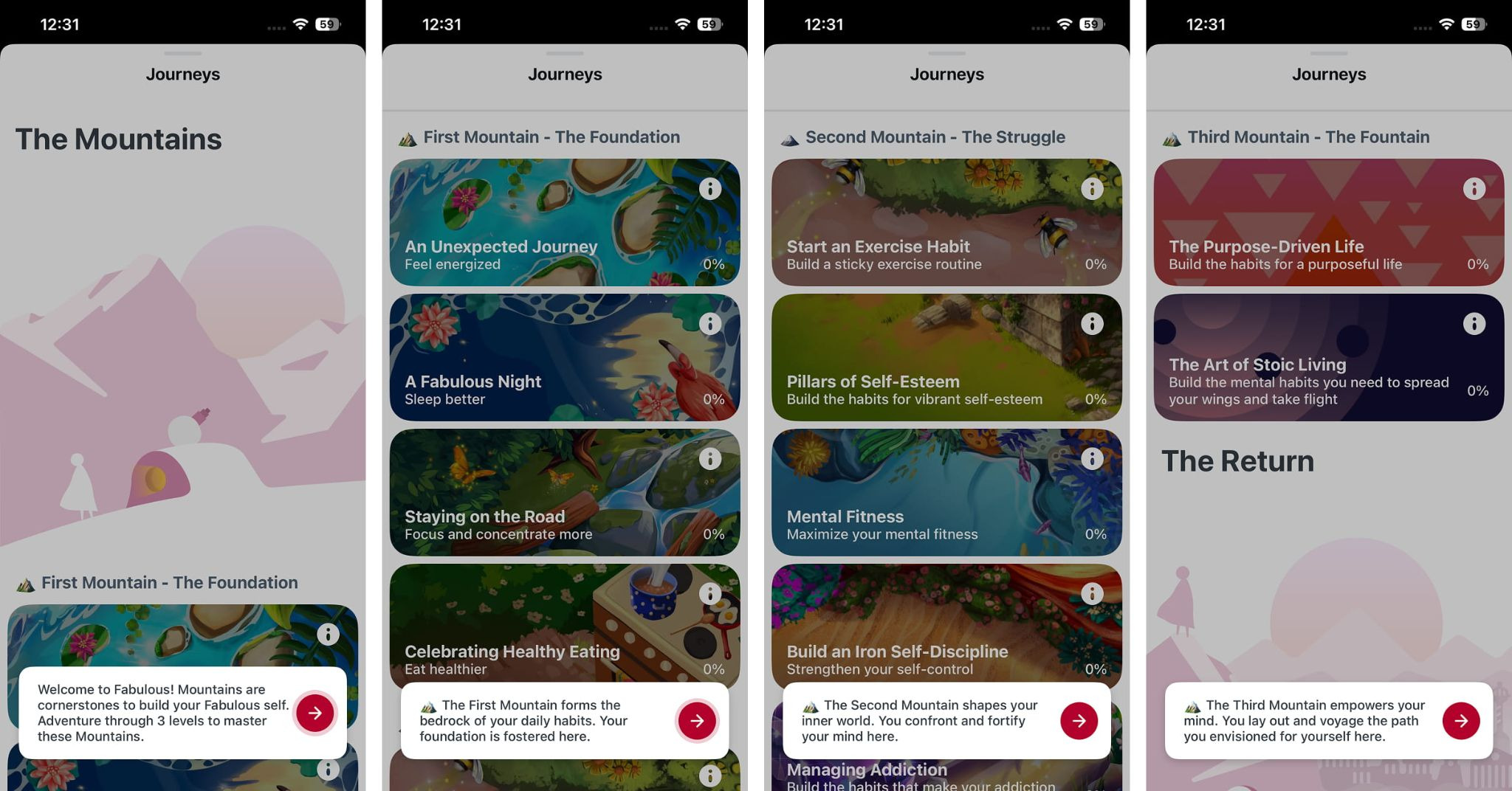
Growth is all about maximizing customer lifetime value. A person’s entire user journey will be much easier and feel more satisfying if they regularly receive automated, behavior-driven messages. These personalized push notifications or in-app communications work best if they accompany customers coast-to-coast – from onboarding to brand advocacy. Lifecycle messaging is an important part of any app retention strategy aimed at generating long-term value.
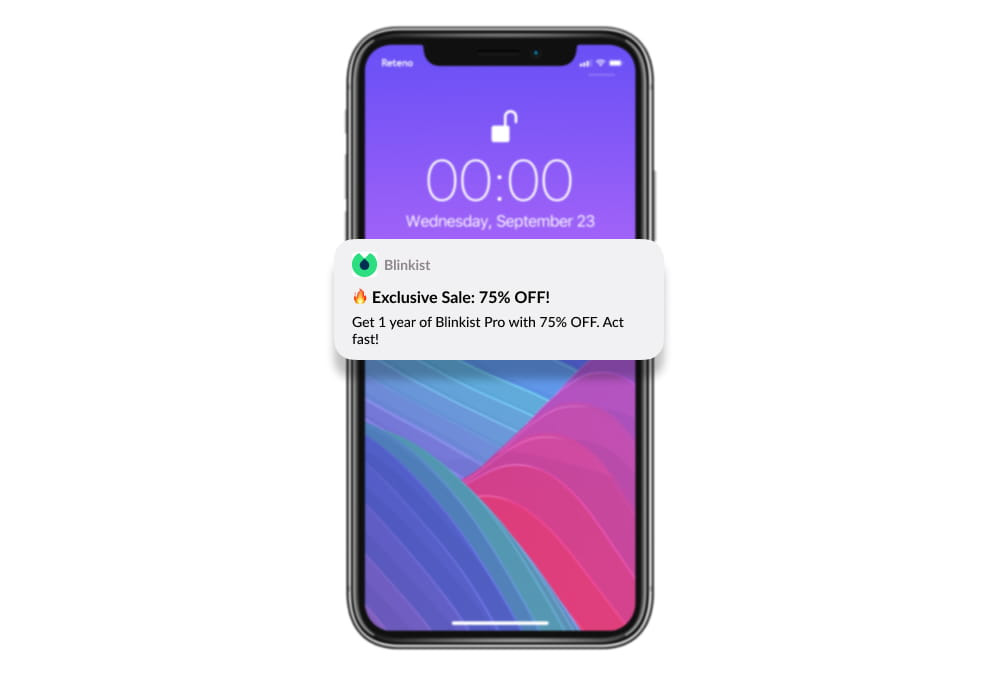
Nothing works better for nurturing sustainable app growth than timely, relevant, and personalized notifications. Their uses are numerous: provide transparency and guarantee financial security, foster trust, improve engagement, maximize retention, and drive both first-time and repeat transactions.
Real-world brands recognize the value of these strategies and readily apply them.
Sweatcoin is a disruptive health and fitness app that has quickly reached the top in its niche in the UK, relying mainly on referrals and influencers for marketing. Although these methods allowed it to reach a substantial number of active users, the growth attained in this way seemed rather precarious to its C-suite managers.
Thus, the company shifted its marketing focus to advertising on paid social platforms such as TikTok, Facebook, and Snapchat, as well as Google App Campaigns and paid App Store Install Campaigns. The results were astounding: the company announced a tenfold increase in monthly users.
Netflix, Spotify, and other streaming platforms excel at employing this app growth strategy. They analyze their users' preferences with data technology and then offer tailored recommendations. Amazon, the online shopping juggernaut, analyzes each user’s purchase and browsing history to suggest relevant products and drive sales.
Even extremely successful brands like BackThen come to realize the importance of this app growth strategy sooner or later. This family video and photo journal app quickly hit 600,000 users, but struggled to expand further. The company understood that simply generating installs wasn’t enough for consistent growth. The analysis revealed that registration numbers were unacceptably low.
What did the app’s owners do? They radically overhauled the onboarding pipeline, which, in combination with other measures, allowed them to reach 3 million users within a year, while the cost per user dropped by half.
Twitter (now X) had a slow start, but between 2008 and 2015, its audience exploded from 1.3 million to 300 million. Of course, this success is largely explained by the platform’s relevance, yet the role of influencers in its meteoric spike can't be denied. The roster of its endorsers includes the Kardashian family, Kevin Hart, Lindsay Lohan, Snoop Dogg, and many other household names. Besides, lots of famous people like Barack Obama, Cristiano Ronaldo, Rihanna, and Elon Musk have gained huge following on this platform, further contributing to its growth.
Telepizza, a multinational restaurant chain, harnesses the power of geomarketing as its pivotal growth driver. Whenever an app user comes near one of its outlets, they receive a targeted message urging them to drop in and offering a specially priced dish. This push notification strategy gives the chain a 4–7% conversion rate, which is way above the industry average of 2–5%.
This is what helps AvaTrade provide online brokerage services to over 1 million global customers. Thanks to its three mobile and web apps, two platforms (MetaTrader 4 and MetaTrader 5), 30 website domains, and a dedicated educational resource (AvaAcademy), both novices and vetted traders can get access to versatile financial instruments such as stocks, crypto, Forex, commodities, and more. With a consistent user experience across all of these outlets, AvaTrade has become one of the biggest names in its niche.
Almowafir knows how to do it right. Despite partnering with 1,000+ stores across the Persian Gulf countries, this discounts and coupons platform struggled to retain its audience. Finally, the company opted for Omada – an innovative infrastructure built on lifecycle messaging. The system encompasses proactive onboarding flows, targeted re-engagement campaigns, loyalty programs, and responsive customer experience messaging. Once implemented, Omada increased the company’s coupon usage conversion rate by 67.4% and made users 4% more likely to stick to the brand for more than a month.
Ryde is the largest micromobility company in Norway, owning a vast network of scooters for urban transportation. To ensure their app stays relevant, the company decided to focus on services rather than marketing. Transactional push notifications were considered a vital part of those services. Users receive notifications when they don't end their ongoing trip, when the scooter's battery is low, when leaving their scooter outside the parking area, etc., creating a superb customer experience while also allowing people to save their hard-earned money.
By showing such care, the company increased repeat usage and loyalty, entering the top 5 of iOS transport apps across Scandinavia and contributing to the development of climate-neutral services that benefit local communities in the long run.
Want to emulate the business success these organizations enjoyed? Simply copying their homework won’t work. Instead, you should monitor and improve your own strategy via a set of KPIs.
Any app growth strategy will have several vital parameters that can be measured with narrow-focused indices.
These show how effective your app growth strategy is at attracting new users. Your app’s user acquisition metrics can determine whether you spend your money wisely, identify problem areas in your funnel, pinpoint the best-performing channels, and balance acquisition cost with long-term value. These include the number of installs/downloads, cost per install (CPI), and user growth rate.
Daily/monthly active users (DAU/MAU), screens per session, session length, and feature adoption describe how users interact with your app, allowing you to pinpoint bottlenecks that affect user experience and hamper growth.
The key indices of this category are retention rate, churn rate, and abandonment rate. They measure the app's stickiness and customer loyalty in quantitative terms and allow businesses to predict their revenue.
These metrics measure financial performance, reflecting the app’s efficiency in generating revenue. The most commonly used indices are conversion rate, average revenue per user (ARPU), and customer lifetime value.
App performance refers to purely technical metrics of the app that influence its user experience and engagement, ultimately affecting monetization and business growth. To gauge performance, experts look at app load and response time, its stability (crash rate), memory use, network data, and more.
You can maximize all these indices by hiring seasoned app strategy development and implementation experts.
Relying on a DIY approach when devising and executing app growth strategies is not a wise decision, as this field requires competence and experience. Reteno is a trusted company that ticks both boxes.
We have completed multiple mobile app marketing projects that focused on the long-term growth of our customers. The reason behind our success is a powerful combination of channels (mobile push notifications, SMS, in-app messaging, and more), multiple user-acquisition and churn-reduction tactics, UX optimization measures, and specialized user segmentation and personalization tools we use.
Contact us to ensure consistent, sustainable growth for your app and boost the revenue it generates.
Mobile app growth strategy is a set of planned steps designed to ensure stable user acquisition and retention. When properly implemented, it can enhance user engagement, foster brand visibility, improve customer experience, provide valuable insights for decision-making, and sharpen your app’s competitive edge.
Companies focused on sustainable growth employ paid advertising, content personalization, influencer marketing, onboarding optimization, geo-targeting, omnichannel engagement, lifecycle messaging, and transactional push notifications. The efficiency of each technique should be validated by tracking the basic performance metrics we’ve discussed.
(1).png)
(1).png)
.png)

Alex Anikienko
|
October 26, 2025
Transform triggers into revenue with multi-agent AI that fine-tunes messaging to boost conversions while safeguarding deliverability and LTV

Alex Anikienko
|
July 29, 2025
Email ignored? Push skipped? Here’s how to orchestrate cross-channel journeys that actually convert

Are your pushes as compelling as they could be? Find out with our free preview tool. Instantly see how your notifications will display on iOS and Android, in both expanded and collapsed views.
This is your chance to fine-tune your messages to ensure they're not just seen but felt. Make every character and every push work harder for your engagement goals


