
Alex Anikienko
Expert Writer
May 7, 2026
Alex Anikienko
Expert Writer
May 7, 2026

In the contemporary, smartphone-driven world, mobile apps inside your device serve as the primary means of interacting with the digitalized world around you. Thanks to them, people of the 21st century can work, study, shop, travel, and have fun. Therefore, launching mobile apps is the key tool for making money through mobile app marketing. Companies utilize an entire gamut of revenue-enhancing techniques and do their best to boost mobile engagement, minimize customer churn rate, increase user acquisition, and maximize customer lifetime value (LTV). However, the major source of profit for mobile app owners is the effective app monetization strategies they rely on.
This app monetization guide explains how it works, gives advice on selecting an effective monetization model, offers valuable app monetization tips, and presents real-world examples of major-league brands implementing app monetization ideas to boost app revenue.
App development is not a cheap endeavor. Depending on the set of features, complexity, use of cutting-edge technologies, and other factors, organizations spend from $80,000 to $250,000 to launch their product. Naturally, they want not only to achieve ROI that defrays their expenses but also capitalize on their software solution in the long run.
App monetization refers to the different ways an application earns money for its owners, thereby covering its expenses. As a rule, app monetization methods are considered at the early stages of the software development process and serve as vital ingredients in the broader business policy, paving the way for determining the app pricing strategy. The latter determines how much, what, and when people will pay for using the app.
The main goal of app monetization is revenue optimization, making users pay for enjoying your product without scaring them away. The five universally recognized methods on how to monetize mobile apps include in-app advertising, the freemium app model, in-app purchases, a partnership scheme, and subscription-based app monetization models.
Each method has its own benefits and disadvantages, so different use cases and app types become suitable only for specific strategies. Moreover, relying just on one or even two app monetization strategies is not a very safe bet. That is why cautious entrepreneurs usually place their revenue eggs in different monetization baskets, leveraging a hybrid monetization model that combines the benefits of several approaches to maximize results.
When selecting a monetization scheme, you should follow this simple algorithm.
Certain monetization techniques work best with specific app types, so you should use one method to monetize health and fitness apps and a completely different one to capitalize on digital banking solutions. For instance, the freemium model suits streaming apps best, in-app purchases are ideal for gaming apps, and subscriptions reign supreme for media apps.
The same applies to the value an app brings. Subscriptions are typically chosen for business communication tools, ads benefit entertainment apps, and the freemium model is highly effective when capitalizing on convenience-value products such as those offering microtransactions.
Your potential and existing clients' demographics, financial situations, needs, preferences, and pain points are crucial for understanding user behavior across different segments. This allows you to determine how to reach them and deliver timely, relevant offers.

Intrusive pop-ups, aggressive ads, forced payments, and other pushy tactics may seem compelling, but in fact, all they do is frustrate users and negatively affect their experience. Retention, conversion, and bounce rates are the metrics that require constant monitoring to ensure they do not plummet after switching to specific monetization schemes.
User behavior analysis, combined with iterative experiments, is just what the doctor ordered to accomplish this task. App pricing and features should be validated through A/B testing, while you should track basic KPIs (especially average revenue per active user (ARPU)) and implement tiered monetization options.
However, all of these steps only set the stage for making money. The maximum value can be achieved only if you act in line with the following recommendations.
The revenue your app generates will soar if you:
Reducing initial friction is what you should aim for. How can you achieve it? Allow social logins, leverage progressive disclosure, support guest browsing, and provide interactive tutorials with progress indicators.
To increase active user involvement, people should feel not like another abstract person out there but like unique, valued customers. The recipes for fostering this feeling include AI-driven client segmentation, tailored data-driven product recommendations, personalized marketing emails, omnichannel experiences, and proactive customer service.
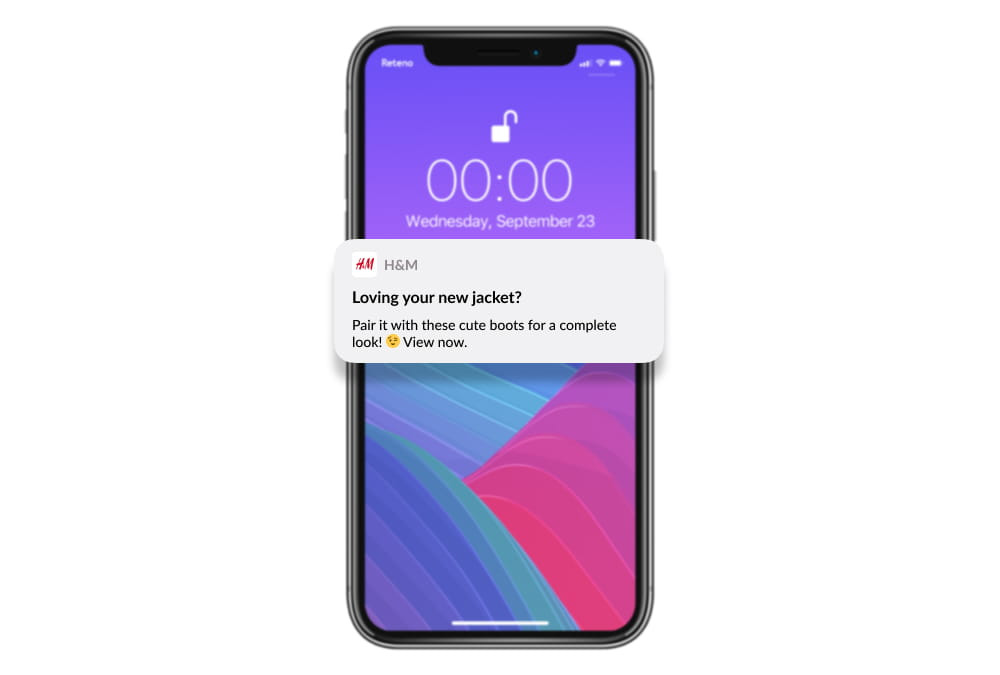
Upsell-driving in-app messages and mobile push notifications achieve the best results when they target already engaged customers. That is why these tools should be used during active app browsing or immediately after a purchase and should include behavioral triggers (for example, "this product is frequently bought with") or subtle banner tooltips.
Paywall optimization involves using data-driven, AI-fueled techniques to implement dynamic, personalized paywalls. The experimental aspect includes trial structure and duration, price anchoring, annual versus monthly defaults, and localized pricing policies.
According to different sources, increasing retention by just 5% results in a 25%+ profit boost. For most businesses, retention equals strategic fostering of long-term customer loyalty by anticipating clients’ needs, providing round-the-clock customer support, launching specialized programs, building a brand community, and investing in emotional connection with customers.
You cannot bring users back without first learning everything you can about them through behavioral segmentation. Once you have all the necessary information on the table, you should send personalized messages via multiple channels (ads, email, SMS) to incentivize users with tailored offers, request feedback, and provide social proof, encouraging return visits.
Purchase history, browsing patterns, and support interactions represent multifaceted business insights. What tools can provide such insights? Naturally, those powered by machine learning and natural language processing technologies. With their help, you can conduct in-depth customer behavior analysis and generate relevant, personalized recommendations featuring complementary accessories and bought-together items.
Without tracking these KPIs, all your efforts will be futile. To assess the effectiveness of your monetization approach and monitor its dynamics, you should regularly review sales revenue, retention and churn rates, cost per action, cost per mille, average revenue per user, net promoter score, customer satisfaction index (CSAT), and other critical metrics. If you notice declines, fine-tune or even overhaul your app monetization strategies in underperforming areas.
The following four examples demonstrate how blue-chip companies developed app monetization strategies to leverage their unquestionable assets.
Spotify uses ML-driven techniques to analyze listening history and preferences, creating unique experiences such as Daily Mixes and Discover Weekly. Additionally, it enhances value through bundles by offering exclusive videos and audiobooks within its premium tier. Naturally, all ads displayed in the app are highly targeted and personalized.

The Shopify app offers data-driven features that help users remember stores they have browsed and discover new brands. SAP Emarsys analyzes purchase history and shopping behavior to segment users by recency, frequency, and monetary value, enabling personalized engagement. MoEngage leverages buying patterns to predict future purchases, while Growave and Yotpo loyalty programs use points systems and tiered rewards to drive repeat purchases and increase app revenue.
Parafin, in cooperation with Mindbody, identifies low-revenue weeks or detects users browsing their payment processing dashboard and instantly offers pre-approved flexible loans. Revolut promotes currency exchange services and travel insurance when users book flights or arrive in new countries. Wealthsimple recommends diverse investment options when a salary deposit appears in a user's account.
Rather than relying on generic marketing, Bladestorm closely monitors in-app behavior. If a user fails to complete setup, a personalized notification offering a welcome bonus is triggered. If a player has been inactive for several days, they receive an engagement-driven reminder. The company reports a 4.58% increase in ARPU after implementing these measures.
Sounds impressive, doesn’t it? However, replicating the success of these large organizations requires the right technology stack.
By leveraging the dedicated mobile app retention and messaging platform Reteno, you gain access to the following advantages:
Reteno enables app owners to orchestrate the creation and delivery of personalized push notifications, in-app messages, emails, and SMS, allowing you to reach users across multiple touchpoints. Additionally, you can launch and manage customized messenger campaigns to further increase app revenue.
Every action users take in the app and on the web is captured in real time. With this behavioral data, you can run targeted omnichannel campaigns, generate personalized recommendations, and unlock cross-selling and upselling opportunities.
The platform analyzes events, attributes, and behavior to enable granular customer segmentation and real-time personalization of messages and offers across all available channels.
Retention strategies fall short when they are reactive rather than proactive. Advanced automation implemented by Reteno is a second-to-none means for achieving exactly that. By leveraging it, you can anticipate churn, guide newly onboarded users through the product, and activate real-time behavioral triggers, such as cart abandonment. Moreover, automation capabilities of our tool allow for dynamic pricing adjustments, optimize upselling and cross-selling, and pave the way for implementing lifecycle- and retention-based strategies.
App monetization is the set of methods and strategies used by app owners to enable a mobile solution to generate revenue. The five most popular approaches (in-app purchases, subscriptions, advertising, the freemium model, and affiliate & partnership schemes) offer a wide range of options suited to different use cases. To ensure that a standalone monetization model or a balanced combination delivers maximum value, you should consider your app’s type and core value proposition, identify your target audience, assess the model’s impact on UX, and continuously optimize your approach. You can maximize the efficiency of any model you choose and increase app revenue by leveraging the Reteno platform.
(1).png)
(1).png)
.png)

Alex Anikienko
|
January 20, 2026
Discover eight proven mobile app growth strategies that drive long-term value, with practical examples of brands successfully putting them into action

Alex Anikienko
|
May 6, 2025
See how full-journey automated A/B testing boosts conversions and revenue by continuously optimizing every message without the manual hassle

Are your pushes as compelling as they could be? Find out with our free preview tool. Instantly see how your notifications will display on iOS and Android, in both expanded and collapsed views.
This is your chance to fine-tune your messages to ensure they're not just seen but felt. Make every character and every push work harder for your engagement goals


