Qualitative Data

Alex Anikienko
Expert Writer
December 3, 2025
Expert Writer
December 3, 2025
Data powers modern marketing, but not every proper signal fits inside a cell. Qualitative data captures the words, feelings, and context behind behavior – the why that raw numbers can’t show. When teams pair those stories with metrics, strategy tightens up, copy sounds like a real person wrote it, and the experience sticks. Tie what people say to actual behavior across the customer journey, and the patterns come into focus fast.
Qualitative data is non-numerical information about perceptions, opinions, experiences, and the context around them. In real life, qualitative data is open-ended survey answers, customer feedback, interview notes, chat logs, call summaries, App Store reviews, support tickets, and UX observations. It’s usually unstructured and arrives as text, audio, or video. Through qualitative research, teams interpret it to find themes and meaning. Because the goal is depth rather than counts, qualitative data is great at exposing customer experiences you’ll never see in a bar chart, and it powers personalization that feels genuinely helpful, not forced.
Quantitative data counts and compares conversions, purchase frequency, user engagement, and A/B test lift. Qualitative data explains how people feel and why they act: frustrations, expectations, and emotional cues. In qualitative research, a single interview can surface a blocker that a dashboard completely misses. Numbers prove the problem's size; qualitative data shows the shape of that problem and the language customers use when discussing it.
Quantitative data is structured and typically categorical or numerical, captured in tables and analytics tools. The types of qualitative data are unstructured – text fields, voice notes, screen recordings, and in-app comments – and require interpretation. In qualitative research, analysts code statements into themes and synthesize customer insights. That translation work is where qualitative data analysis lives, turning subjective data into shareable knowledge.
Use quantitative data to gauge magnitude and track change over time. Uncover root causes, pressure-test messaging, and pull out contextual insights before you commit to a significant change. Qualitative research shines before a launch, after a churn spike, when a feature underdelivers, or dashboards tell you “what” but not “why.” Most teams blend both – you keep the rigor of data-driven marketing without losing nuance.
Quantitative data is precise and outstanding for benchmarking, but can flatten human nuance. Qualitative data insights bring voice-of-customer detail and emotional branding cues, yet they can skew if you rely on tiny samples or leading questions. Strong qualitative research counters that with clear protocols, neutral prompts, and triangulation across sources. The healthiest programs let quantitative data set the direction and qualitative data refine execution.
Qualitative data matters because humans, not averages, make decisions. It gives marketers language for value propositions, objections to address, and moments that spark delight. In creative work, qualitative data guides tone, imagery, and storytelling. In lifecycle marketing, qualitative data validates whether messages feel timely or pushy. In customer retention, qualitative data surfaces friction points and support gaps that numbers gloss over. For teams scaling personalization, qualitative research and qualitative data become the backbone of first-party data, making campaigns feel relevant rather than robotic.
Interviews produce rich qualitative data by digging into motivations and stories. Semi-structured formats use open-ended questions so customers can wander a bit – and that’s where surprises appear. This is foundational qualitative research for product-market fit, pricing language, and onboarding friction. When teams compare the same themes across multiple interviews, patterns stand out much faster.
Focus groups bring multiple voices together to compare perceptions. This source captures how opinions evolve when people react to each other. It’s useful for positioning statements, creative concepts, and brand attributes, though skilled facilitation is essential to avoid groupthink in qualitative research. As one classic approach within qualitative research, it balances breadth and depth.
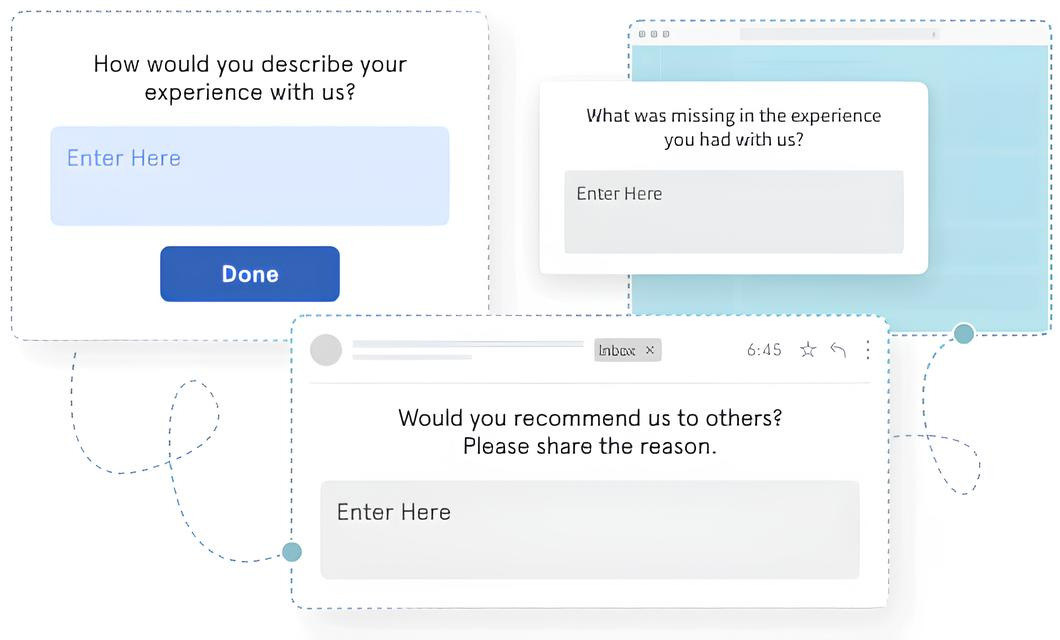
Open-ended surveys produce scalable qualitative data from larger samples. Short text boxes in NPS, CSAT, or post-purchase surveys capture customer insights that simple scores miss. This material maps reasons for detractors and promoters, informs sentiment analysis, and enriches first-party data with customers' exact words. Surveys are the easiest to automate among the types of qualitative data marketers use.
Watching people complete tasks – in a lab or remotely – yields qualitative data on behavior, not opinions. Click paths, hesitations, and workarounds expose UX issues long before release. For qualitative research teams, annotated recordings and heatmaps become inputs for qualitative data analysis and redesign priorities. As a hands-on example of the types of qualitative data, observation reduces recall bias.
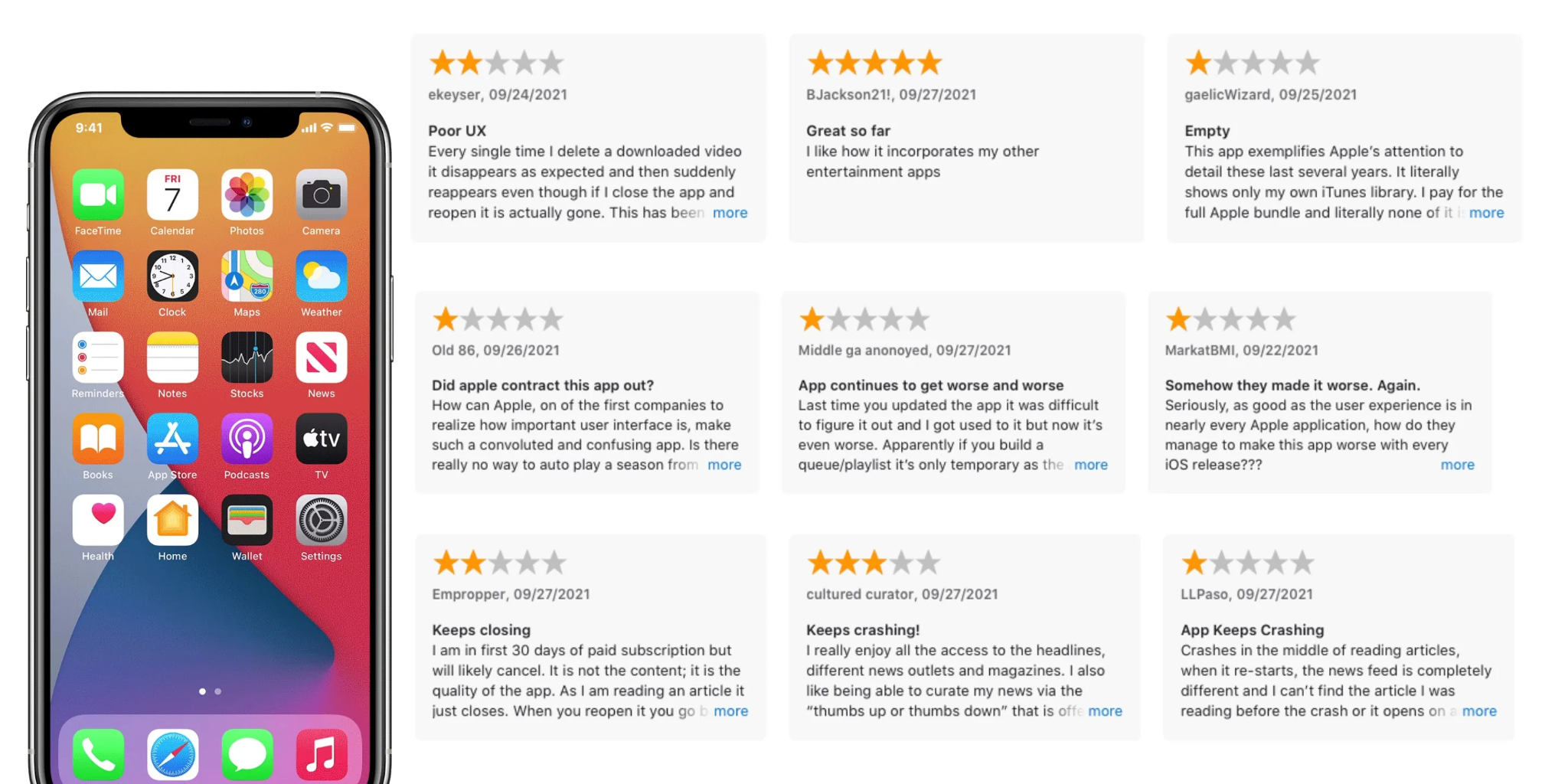
App store reviews, community threads, and support tickets are continuous streams of qualitative data. They reveal patterns in complaints, feature requests, and expectations across environments. Mining this information with thematic analysis helps teams prioritize fixes and improve customer loyalty. Treat these channels as complementary qualitative data sources that keep a finger on the pulse between releases.

Diary and case studies collect qualitative data over time, showing context that point-in-time tests miss. This qualitative research approach is powerful for habit formation products, where change happens slowly and is highly contextual. Because it spans weeks or months, qualitative data analysis uncovers invisible triggers and rituals in snapshots.
Public feedback is a gold mine of qualitative data for mobile app marketing. Reviews explain crashes, confusing flows, and missing guidance. Social comments show emotional reactions to releases. This input shapes copy, onboarding hints, and release notes users read.
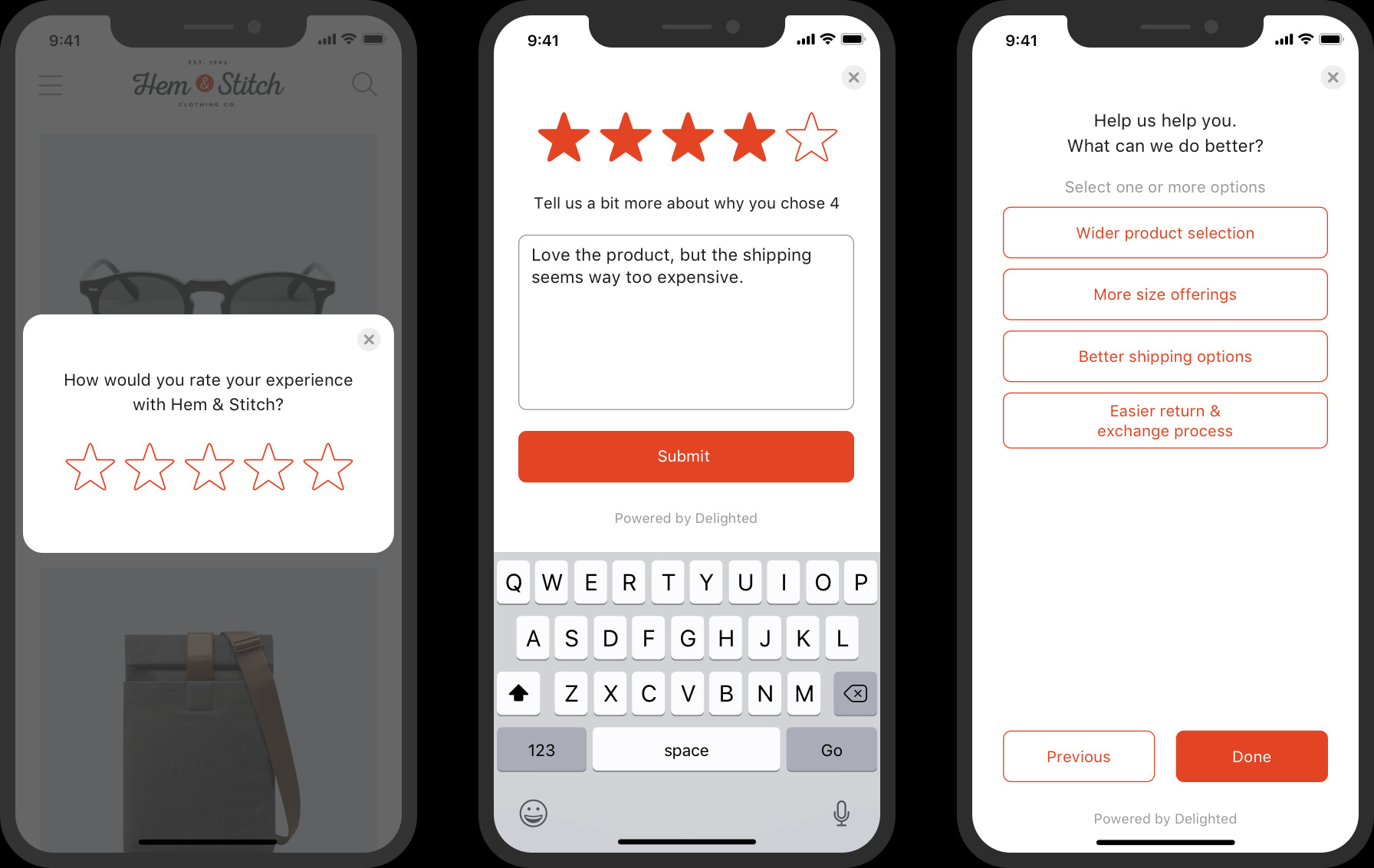
Lightweight prompts inside the product gather qualitative data at the exact moment of friction. Micro-surveys, “Was this helpful?” widgets, and open-ended questions capture contextual insights that are easy to act on. This is the highest-signal stream for rapid iteration for many teams, especially when qualitative research runs continuously.
Replays show what users did, not what they recall. These recordings reveal tap rage, dead ends, and poor affordances. When combined with quantitative data like funnel drop-offs, the qualitative data points a finger at the exact step that needs a fix. This pairing accelerates qualitative data analysis because the cause is visible on screen.
Private forums, Discord groups, and beta cohorts generate persistent qualitative data. Early adopters describe edge cases and language mismatches. Treat this as ongoing qualitative research and you’ll harvest ideas for user personas, feature naming, and mobile app branding.
For apps, the most actionable findings often come from in-app prompts and support conversations because they sit closest to intent. Reviews and social posts add reach and urgency signals. Community programs surface depth. Balance all three, and the qualitative data becomes a daily input to product decisions.
Define what decision the qualitative data must inform. Clarify which segment you’re studying and why. Without this focus, qualitative research drifts, and the team overcollects. A crisp objective — for example, “Understand why trial users abandon during onboarding” — keeps everything relevant and accelerates analysis.
Great qualitative data starts with unbiased wording. Use open-ended questions that invite stories, not yes/no responses. Avoid double-barreled prompts and lead-ins that imply a desired answer. In regulated markets, consent must be obtained, and the method of using qualitative data must be communicated.
Based on the decision at hand, select interviews, open-ended surveys, or usability tests. Mix new users and power users to balance freshness and depth. In mobile contexts, intercept feedback at the event — after a failed search, at the paywall, or post-checkout — so qualitative data captures the moment. This is also where qualitative methods like contextual inquiry shine.
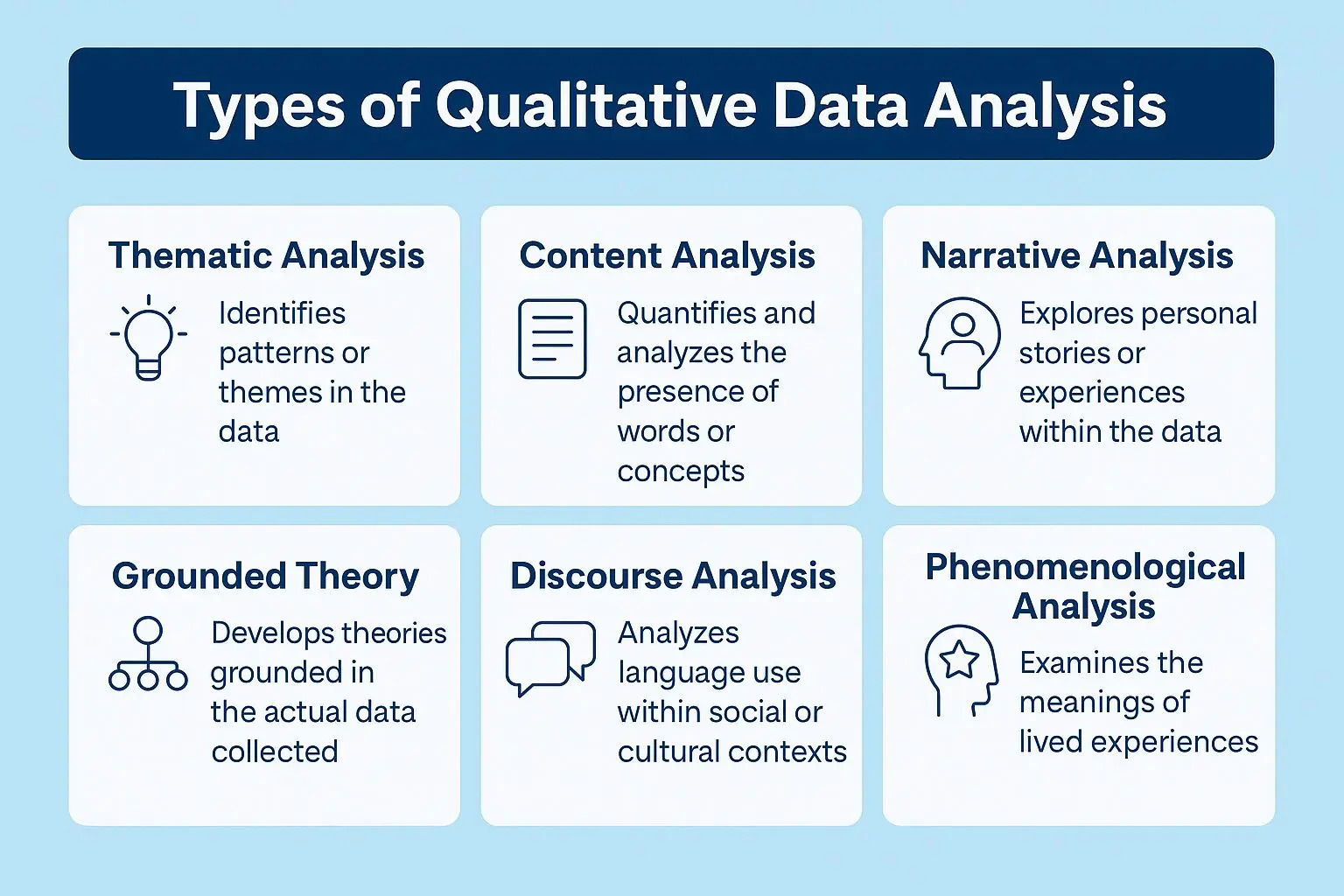
Qualitative data analysis transforms raw text into patterns. Start with open coding to label statements, then group codes into themes. Use thematic analysis to connect themes to outcomes and prioritize actions. If resources allow, run sentiment analysis to track trend lines over time. This is where qualitative methods prove their value: they turn subjective data into decisions.
Insights die in static decks. Publish conclusions inside product backlogs, design files, and marketing briefs. This habit turns qualitative data into a reusable asset rather than a one-off report.
Use analytics to detect anomalies — a sudden drop at a specific step or channel. Then, the research will be investigated using qualitative data: replays, interviews, and open-ended surveys. This sequence is efficient because quantitative data narrows the search, and complementary research explains what to fix.
Before launching a big A/B test, mine the qualitative data for language and objections. Headlines, help text, and onboarding steps crafted from qualitative research typically win because they mirror customer voice. After the test, the same inputs explain surprising results and inform the following hypothesis.
Marketing automation should listen as well as talk. Feed qualitative data from replies, reviews, and chats into journeys to trigger follow-ups, route issues, or update user segmentation. Over time, combining scores with interview-derived context creates stronger customer insights and increases customer retention.
Qualitative data will not replace your dashboards — it completes them. Marketers build products people understand and remember by pairing quantitative data for scale with qualitative data for context and committing to qualitative research as an ongoing habit. If your team keeps a steady stream of qualitative data flowing from the field into design and messaging, every release gets more transparent and effective.

(1).jpg)
.jpg)