Product Features

Alex Anikienko
Expert Writer
December 5, 2025
Expert Writer
December 5, 2025
A good product feels obvious the moment people try it. That “of course it works like this” moment rarely happens by accident because the team chose the right product features, shaped them well, and told users about them correctly. Product features can make or break mobile apps' adoption, retention, and growth, where attention is scarce and uninstall is one tap away.
A product feature is a specific capability that helps a user achieve an outcome. Think of it as a distinct building block — search in an e-commerce app, a streak counter in a fitness app, or live order tracking in a delivery app. Each block solves a job, removes friction, or adds delight. When these blocks align with real customer needs and the product vision, they form a compelling experience that people return to.
Before users fall in love with your app, they need a reason to try it. Clear, differentiated product features communicate your unique value proposition (UVP) in a split second – on your website, in app store screenshots, ads, and social posts. Analytics-ready landing pages that tie feature claims to real pain points help marketing teams speak to the right target audience and buyer personas. A great feature set strengthens market positioning, gives you angles for campaigns, and opens paths for earned media. When prospects see crisp “what it does” paired with believable “why it helps,” clicks rise and acquisition costs fall.
Acquisition is expensive; loyalty is priceless. The product features that truly matter are the ones users rely on daily – the habits they form inside your app. On mobile, retention strategy hinges on feature adoption: do first-time users find the “aha” moment fast, and do they return for repeat value? Features that reduce friction, create progress (levels, streaks, saved items), and provide timely surface value (alerts, personalized content) increase user engagement and retention. Over time, that lifts customer lifetime value (CLV) and lowers churn rate. In short, sticky features make mobile app retention possible.
A product can be powerful yet frustrating if the experience is clunky. In UX, product features meet emotions: clarity, speed, control, and trust. Consistent patterns, sensible defaults, safe actions, and transparent feedback loops affect customer satisfaction. Sometimes the feature is simple – a “clear cart” button – but its presence means the user feels seen. Helpful microcopy, graceful error states, and accessible design elements turn basic capability into a thoughtful moment along customer touchpoints across the journey.
Features and benefits are related, but not interchangeable.
The features describe the product's functions. They are concrete: “biometric login,” “1-tap reorder,” “offline workout downloads,” and “price-drop alerts.”
Benefits describe why the user should care. The outcomes are as follows: “log in faster and safer,” “save time on weekly shopping,” “keep training while traveling,” and “never miss a deal.” Users don’t wake up wanting a feature; they want a result. The best product marketing translates product features into believable benefits without over-promising.
Functional features are the core capabilities that let users complete tasks. B2C apps include search and filtering, secure checkout, saved preferences, wish lists, reorder flows, progress tracking, and real-time data sync. These product features map directly to the primary jobs — browse, decide, buy, track, repeat. They tend to be measurable and are often the backbone of your product strategy.
Experience features shape how the product feels. Loading states, onboarding flows, empty-state guidance, contextual tooltips, and haptic confirmations turn raw functionality into a smooth ride. Personalization is a significant experience layer – tailoring recommendations, content timing, and tone to the individual. These product features don’t just help users finish tasks; they help them feel confident and in control.
Quality features raise the baseline of trust. Think performance, reliability, privacy controls, and security layers like 2FA. On mobile, perceived speed matters – prefetching, caching, and responsive animations signal polish. These product features rarely get spotlighted in ads, but users notice when they’re missing. Quality protects brand equity and reduces support load.
Design features govern aesthetics and structure — layout, iconography, typography, color states, and visual hierarchy. They also include accessibility options like dynamic text sizes and VoiceOver support. The design layer ensures the discoverability of key product features and makes complex actions feel simple. It’s where product vision meets craft.
Added value features go beyond the core job to deepen differentiation – loyalty tiers, gamification, social sharing, integrations, or intelligent alerts. They often amplify retention and advocacy by tapping into emotion and community. Done right, these added value features become signature moments that competitors struggle to copy.
Below is a product features example set across common B2C categories.
Remember past purchases and suggest bundles so weekly routines take seconds, not minutes. This functional feature reduces friction and raises repeat purchase behavior.
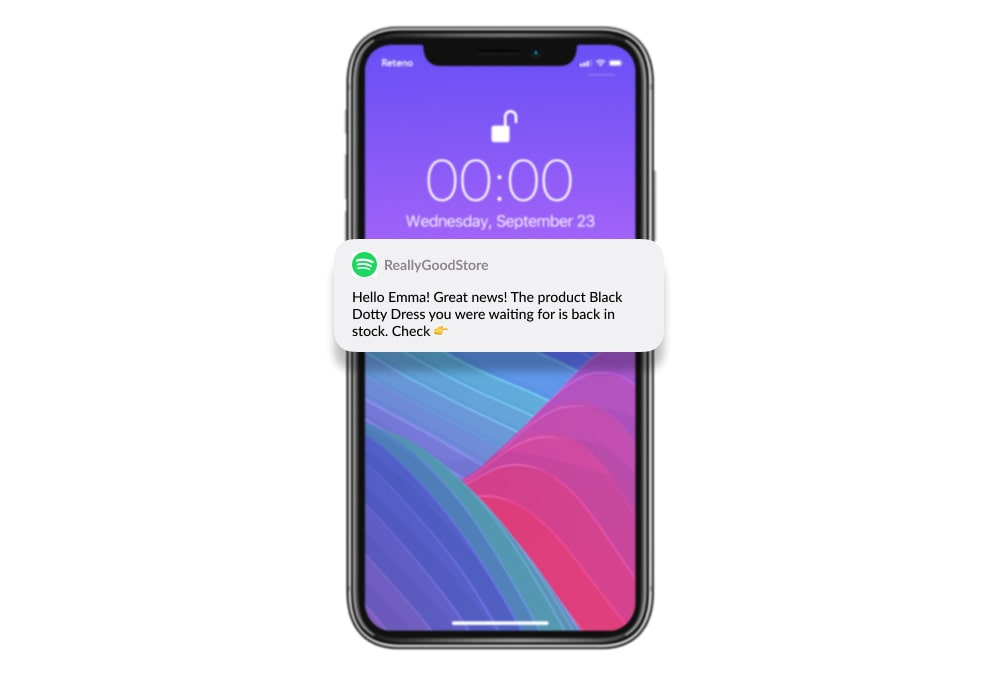
Real-time push and email notifications tied to wish lists keep shoppers engaged between visits. Experience meets marketing – and drives return sessions.
Transparency after checkout eases anxiety and cuts support tickets. Quality and design combine to deliver trust at a high-stakes moment.
Structured entries, reminders, and exportable reports support better conversations with care providers. This simple functionality has real-world benefits.
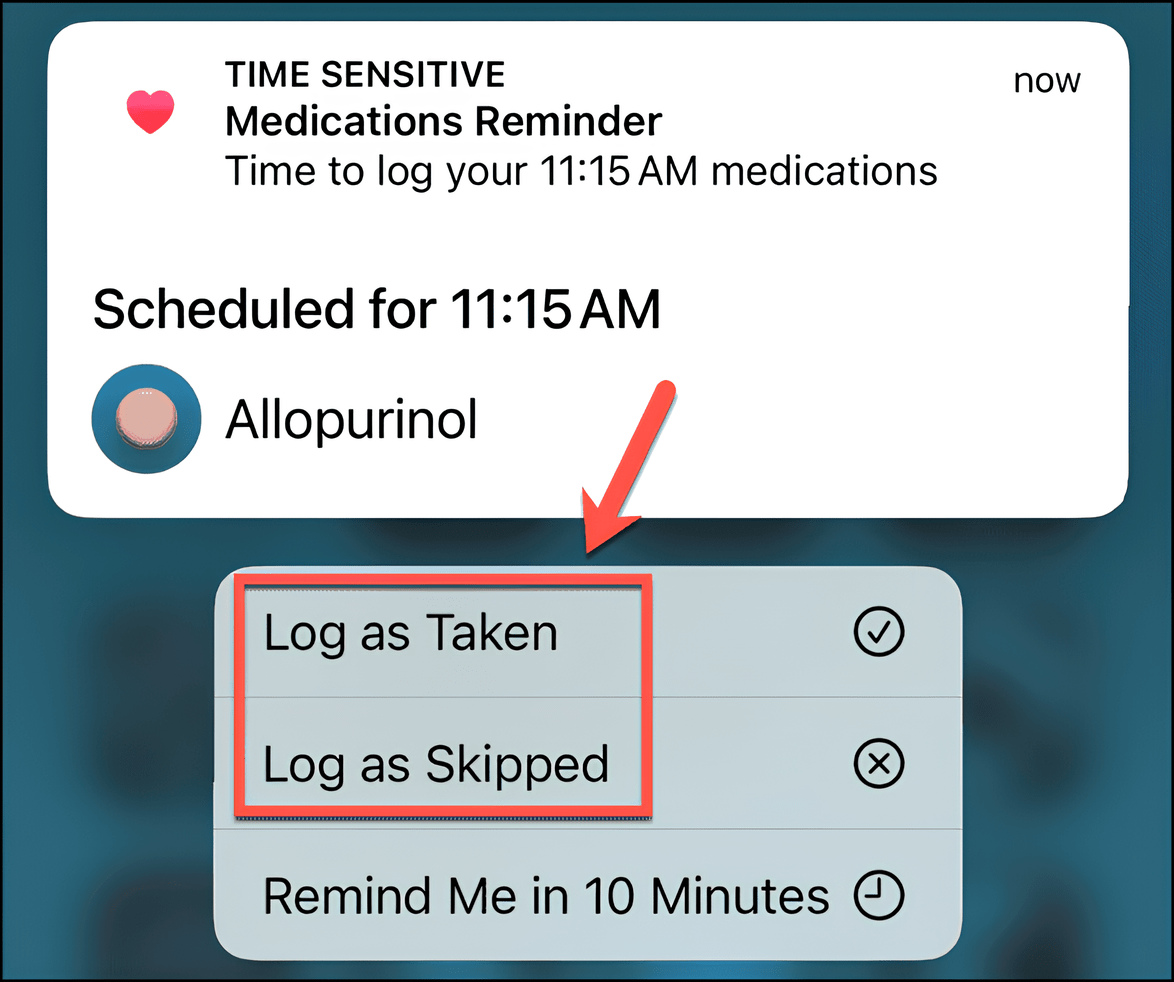
Visual patterns over time (sleep, mood, vitals) with gentle, non-judgmental nudges. Experience features that turn data into understanding.
Sensitive data deserves explicit permissions and on-device storage options. This quality feature builds long-term credibility.
Plans that auto-adjust based on performance and schedule changes. Functional plus personalization creates meaningful progress.
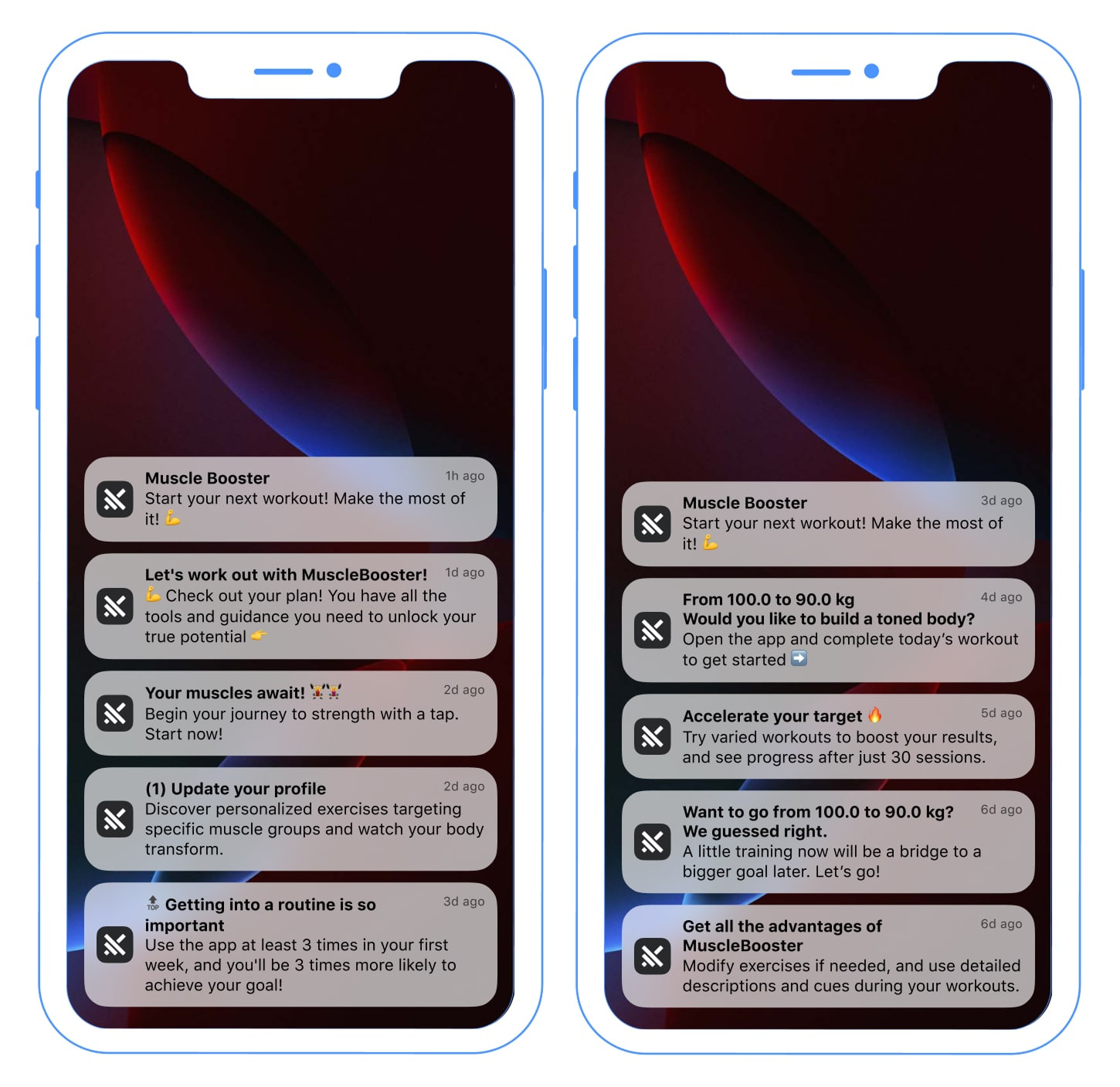
Keep sessions going without signal and get timely form tips. Experience features are where real convenience lies.
Added value features that tap into motivation and community. They encourage user engagement without feeling pushy.
Predictive address fill, saved instructions, and door notes remove last-mile friction. This core functionality is executed with care.
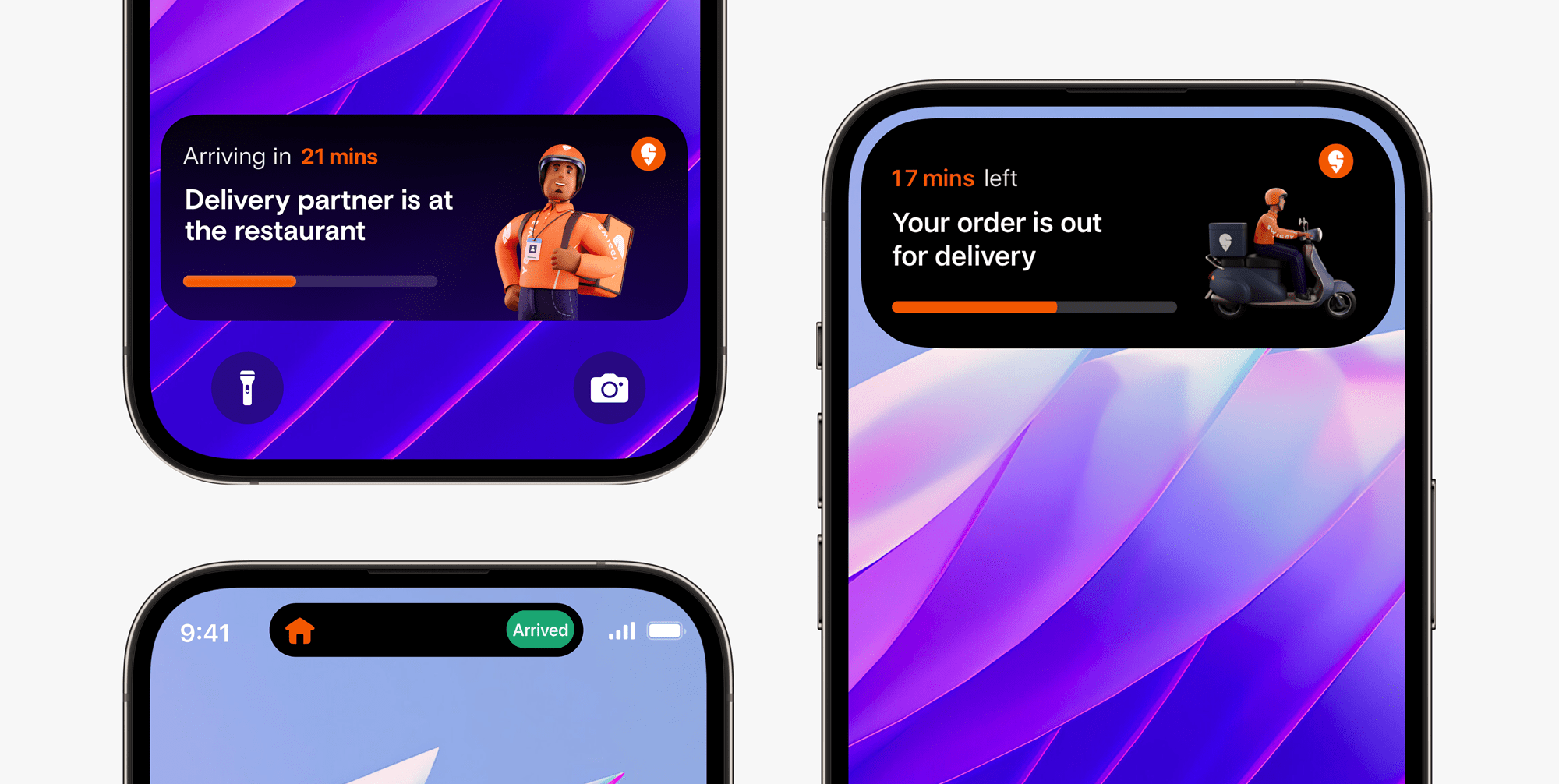
Live routing that updates honestly, with lightweight messaging. Quality and trust define the moment of truth.
Opt out of cutlery, group orders, or select greener options with transparent impact. An added value feature that aligns with user values.
Your feature can be brilliant and still underused if people never see it at the right moment. Promotion isn’t just “announce and hope” – it’s intentional, contextual, and measured across channels.
Start where intent is highest – inside the product. Use contextual nudges, tooltips, and lightweight walkthroughs to introduce product features exactly when they solve a problem. If a user has searched twice for the same item, suggest “1-tap reorder.” Keep it short and dismissible, and let users opt into deeper help. Good in-app communication maps to customer touchpoints and respects the task flow. Instrument “viewed tip → used feature” so you can evaluate actual adoption.
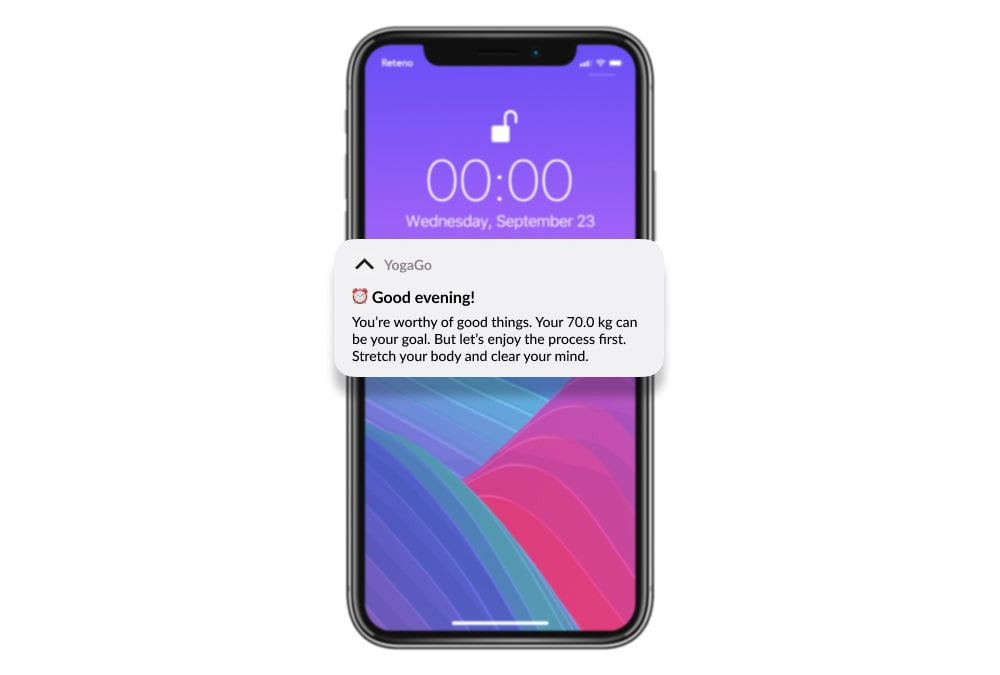
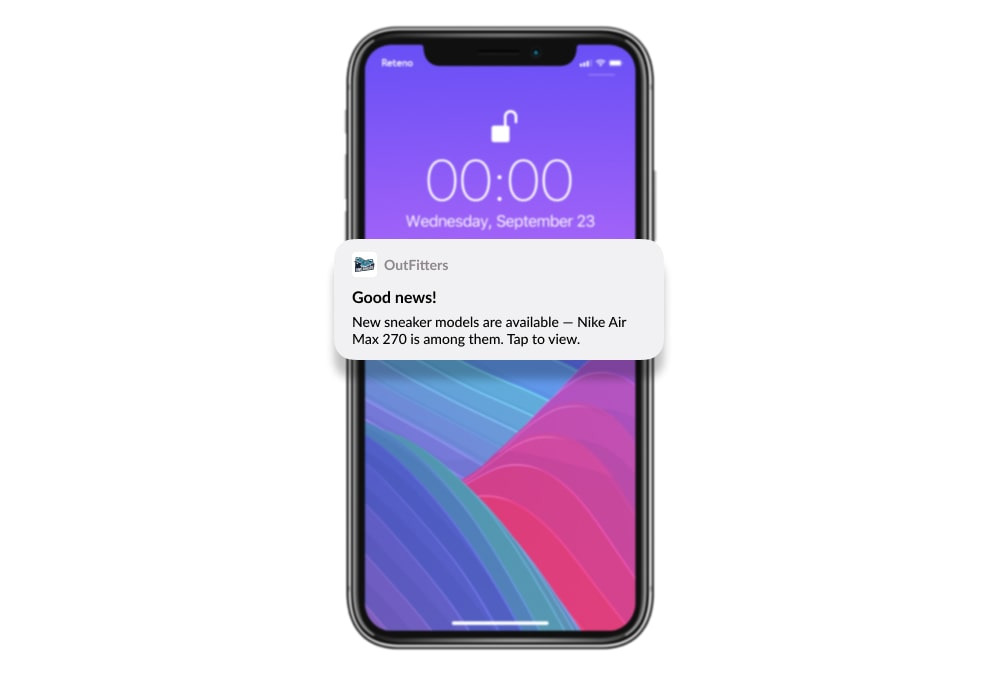
Push is powerful when it’s timely, personal, and relevant. Tie pushes to real events and preferences – a saved item price drops, a workout plan needs updating, a delivery ETA changes. The copy should state the benefit quickly and link directly to the feature, not a generic home screen. For sensitive categories like health and fitness apps, give users granular control over push types. Done right, push highlights product features without feeling intrusive.
Email is perfect for deeper storytelling — a new release, a “what’s new in your app” roundup, or a mini-series that teaches how key product features help different personas. Pair short benefit-led copy with quick GIFs or screenshots. Segment by lifecycle stage — new users get onboarding tips, active users get power-user tricks, and lapsed users see “you might have missed” highlights. The goal is feature adoption that improves retention rate, not vanity click-throughs.
Short videos on social, blog posts, and help-center updates show product features in context. Real examples beat abstract claims: “See how Sofia reorders groceries in 12 seconds.” Encourage users to share their workflows. This fuels word-of-mouth and reinforces market positioning.
Your website and store listings should showcase signature product features with crisp benefit hooks and proof. Rotate screenshots seasonally, keep copy aligned with your product strategy, and test which features resonate with each segment. If a feature impacts customer loyalty – say, a new rewards layer – make space for it above the fold.
Use a product management mindset for communications. Build a simple plan that ties channels to milestones – first session, first success, first week, first lull, first frustration. Automations can surface product features at the right time – a recovery email after a failed workout sync, a push when a saved filter matches new items, or an in-app card when a power user is ready for advanced controls.
Promotion should feed back into feature prioritization. Track awareness, activation, repeat use, and impact on key metrics like weekly sessions, task completion time, and revenue per user. If a feature doesn’t move the needle, dig into qualitative data – is the value unclear, is the entry point buried, or is the naming off? Learn fast, adjust copy, improve placement, and, if needed, refactor the feature. A clear loop from data to decision keeps the roadmap honest.
On mobile, users judge fast. The features of a product they notice first are the ones that remove friction and deliver small wins with almost no effort. Strong product features tell a simple story – what it does, why it matters, and when it shows up. Ship the features that help real people feel progress, wrap them in a thoughtful experience, and ensure the right message arrives at the right moment. That’s how product features turn casual sign-ups into steady habits and steady habits into a durable business.


(1).jpg)