
George Johnson
Expert Writer
June 10, 2026
George Johnson
Expert Writer
June 10, 2026
.jpg)
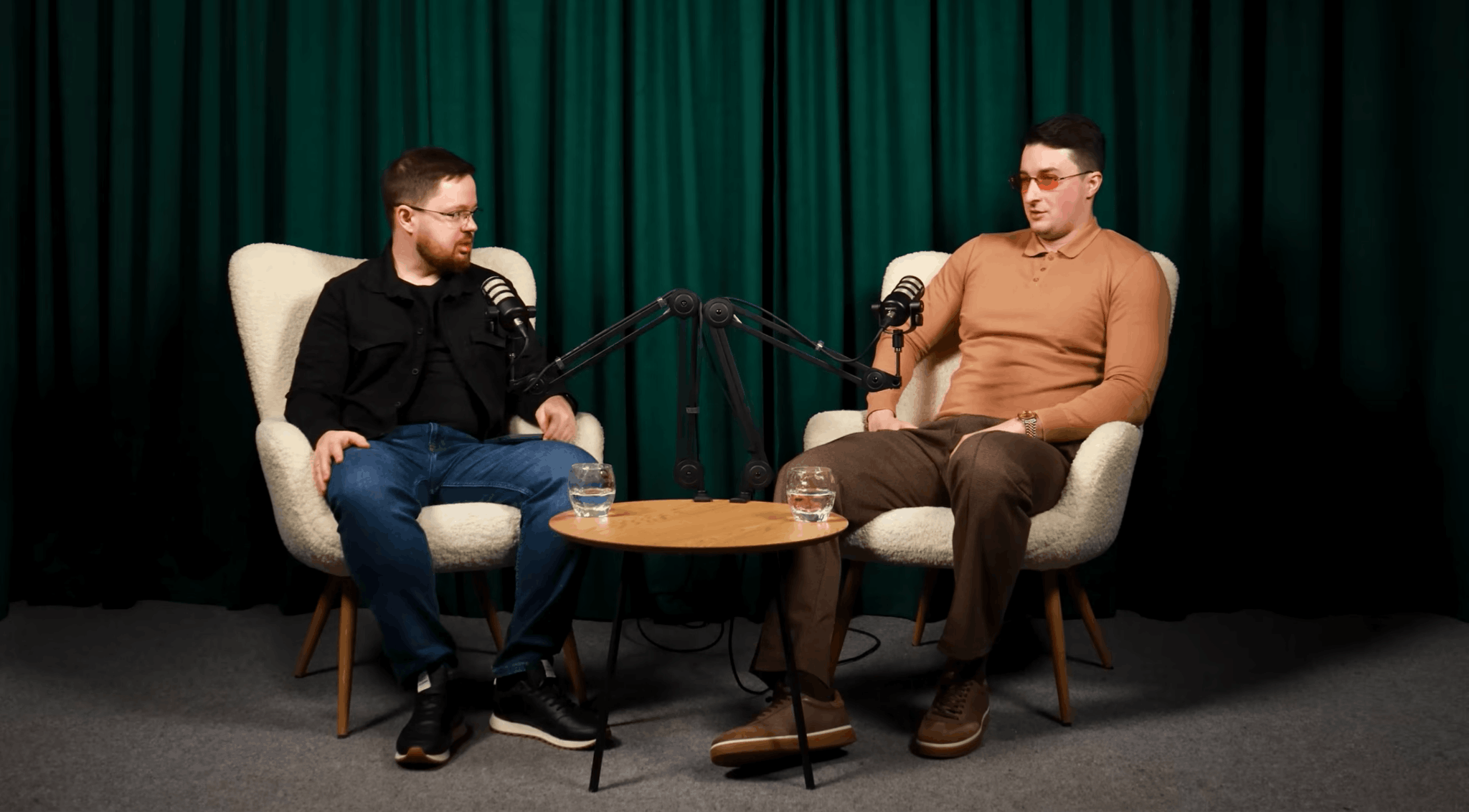
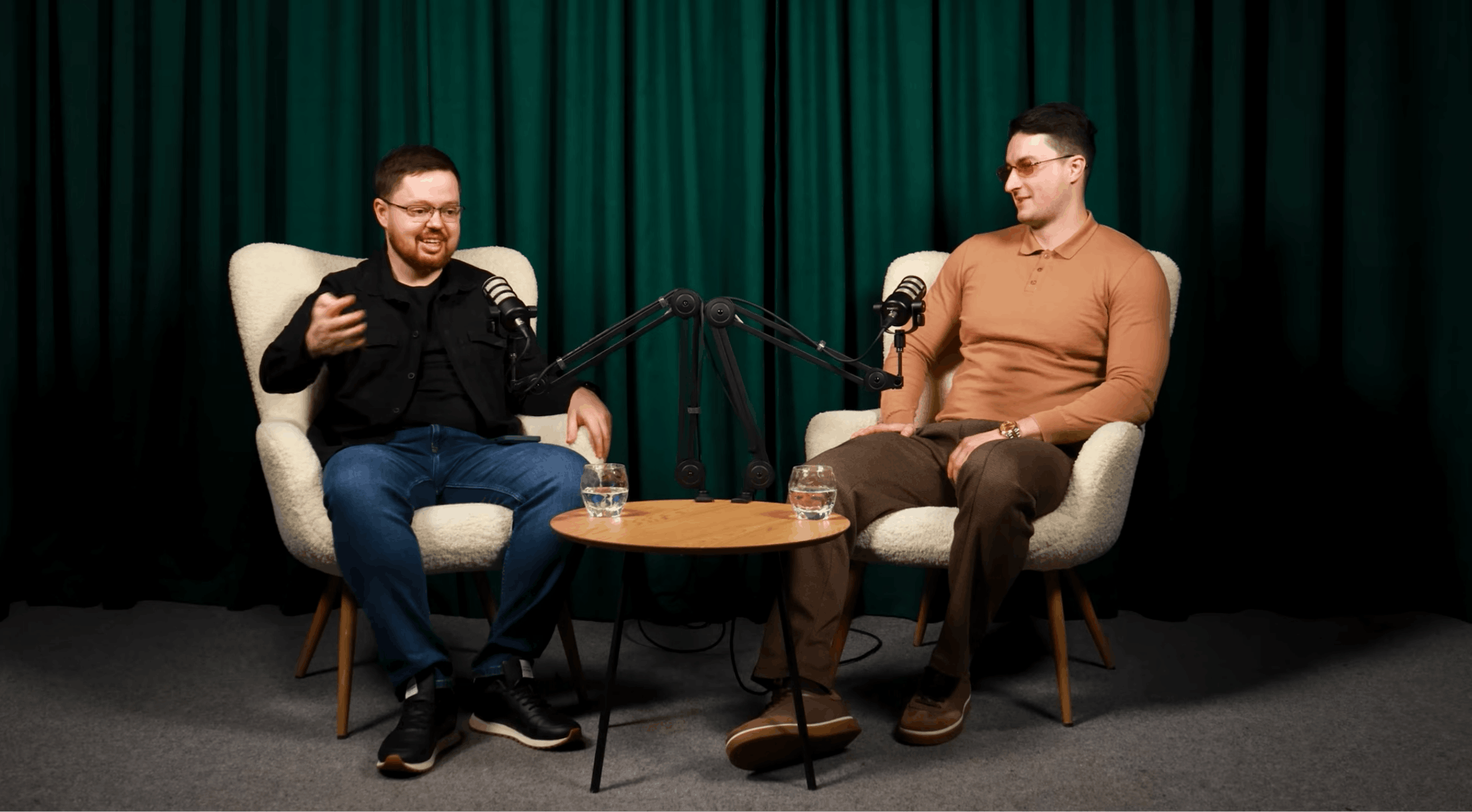
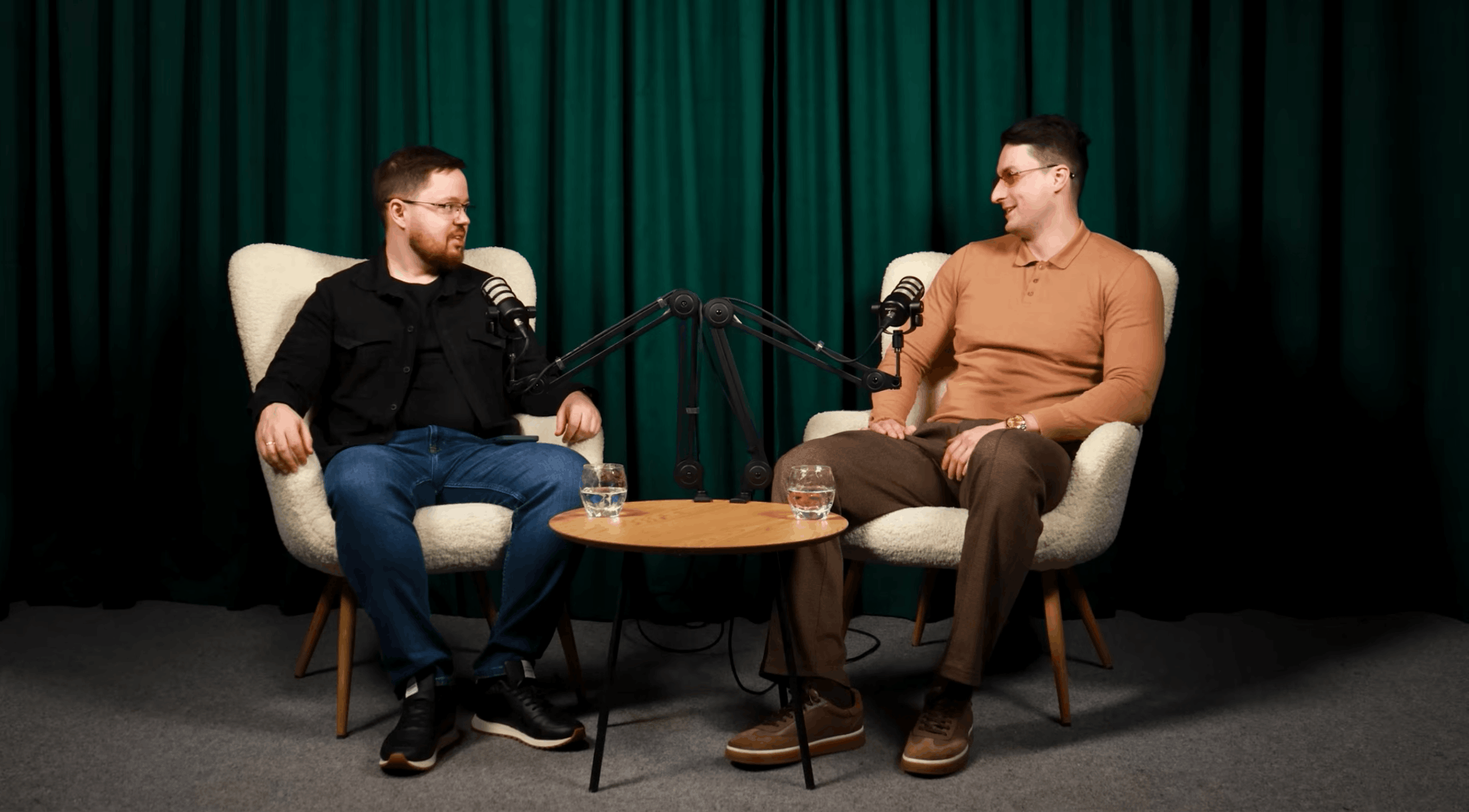
In the new episode of the Retention Podcast, we talk with Dmytro Zhukov, CEO of RadASO, about what mobile growth looks like when the easy answers stop working.
RadASO has been in this market since 2018, long enough to see app growth change more than once. Today, the company works across ASO, Paid User Acquisition, app localization, CRO, retention, mobile analytics, and creative services. It is also part of the FRACTAL ecosystem through Netpeak Agency, which gives the team focused mobile expertise with a bigger agency machine behind it.
The scale is there too. RadASO is listed on Clutch as a 50–249 employee company with offices in Kyiv, Barcelona, and New York State, plus 80+ client reviews. Its case results include double-digit lifts in installs, impressions, organic downloads, search visibility, and conversion rates.
Check out the highlights from our talk below.
ASO stands for App Store Optimization, but the simple definition only gets us halfway there. In real life, it is the work that helps an app get found, look trustworthy, and explain its value fast enough for someone to tap “download” instead of moving on.
RadASO works on both sides of that growth story: organic and paid. The team helps apps improve their store presence through ASO and bring in users through Paid User Acquisition, with a strong focus on Apple Ads, formerly Apple Search Ads. RadASO sits inside Netpeak Agency, which belongs to FRACTAL, but its lane is very clear: mobile products, app stores, and the messy little details that decide whether an app gets noticed.

Mobile marketing changes the second an app crosses a border. A product built in Ukraine can be fighting for users in the US, Europe, or several markets at once, and each one comes with its own habits, language, competition, and store behavior. The same app page can look fine in one country and fall flat in another.
AI makes this work faster, but it does not make it automatic. It can draft, suggest, compare, and speed up research, which is already useful. But it still cannot take responsibility for the result. Teams need people who have seen enough cases to connect the dots between the store page, paid traffic, product quality, market context, and actual business goals.
ASO is often compared to SEO, and the comparison makes sense at first. Both are about visibility, search demand, and helping people find the right product. But app stores are a much tighter space. There is no big website architecture to work with. The title, icon, screenshots, video, ratings, reviews, and competitor pages all sit very close to the install decision.
That is why there is no single lever that magically works for every app. In one niche, ratings can carry trust. In another, screenshots do most of the selling. Sometimes the store page is not even the real problem. It might be the product, the offer, or the way competitors frame the same need. Good ASO starts with understanding the whole picture before changing the obvious things.
ASO is moving closer to retention because getting the install is only part of the job now. In many categories, acquisition costs are not getting any cheaper, especially for big players. That makes the next question just as important: how do you bring the user back after they stop opening the app?
Sometimes the answer is not a huge product change. It can be something as small as a new app icon on the user’s home screen. Duolingo is a great example here. Its owl changes depending on the user’s activity, events, or how long the app has been ignored. It is a tiny visual trick, but it can pull attention back to the app without another ad, email, or push.
The same kind of thinking applies to paid growth. Apple Ads may look like a smaller channel next to Meta or Google, but changes in App Store search can quickly make it more important. When Apple changes how results look or where ads appear, teams have to adjust fast. A channel that felt secondary yesterday can suddenly deserve a much closer look.
There is no clean list of niches where Apple Ads is always a must-have or always a waste of time. It depends on the app, the category, the market, the competitors, and the data a team already has. That is why the first answer is usually not “yes” or “no,” but “let’s look properly.”
Many app teams are used to spending on Meta or Google and forget what happens inside the stores. That can be expensive. If the App Store page converts better, every paid channel can benefit, not only organic search. And if Apple Ads turns out to work for the product, it may become more than a small extra channel.
Before scaling, the basics need to be in place. The product should solve a real problem, onboarding and monetization should be tested, and at least some analytics should be connected. Even free tools like Firebase are better than running blind. Ads and ASO can bring more people in, but they cannot save a product that users do not want to keep using.
.png)
Mobile marketing used to feel much simpler. Put your budget into Meta, find a working cost per install, scale the spend, and watch the numbers move. That version of the market is mostly gone. Now ASO, paid acquisition, creatives, store pages, onboarding, monetization, and retention all pull on each other.
That makes the store page only one part of a much longer story. The promise in the ad has to match the screenshots, the product page has to prepare users for what comes next, and the app itself has to deliver quickly enough for people to stay. Even a fresh outside look can reveal small product or funnel issues, and competitor research often shows which features, messages, or flows users already respond to.
Retention sits right in the middle of this. Bringing in new users is expensive, so the app has to give them a reason to come back. Growth teams can no longer treat acquisition and product as separate worlds. If the funnel brings people in but the product does not keep them, the math eventually stops working.
ASO can look like the kind of thing you fix once and forget. Update the keywords, refresh the screenshots, maybe clean up the text, and call it a day. Nice idea, but the stores have other plans.
App Store and Google Play keep changing. Competitors update their pages, new features appear, seasons shift demand, and yesterday’s strong angle can get tired faster than anyone would like. That is why ASO works better when someone keeps an eye on it, even if the team is not changing everything every week.
The first few months often bring the biggest movement, especially if the app had not done much ASO before. After that, it becomes more about rhythm: checking what changed, spotting what slipped, and knowing when the store page needs a small tune-up before performance starts quietly leaking.
.png)
You can enter mobile marketing without a huge budget, but a few hundred dollars will not tell you much. It might buy a test, technically. It just will not buy enough signal to understand the channel, the audience, or whether the numbers can ever make sense.
That is why small budgets need focus. Instead of trying to be everywhere at once, pick one channel and give it a proper shot. Meta, Google, Apple Ads, TikTok: each of them needs room to breathe. When the budget is split too thin, everyone feels busy, the money disappears, and the final answer is usually “well, maybe.” One focused bet has a much better chance of teaching the team something real.
Installs are a very tempting metric. The number grows, the chart looks happy, and it feels like something is working. But installs alone do not tell the whole story. They are useful, just not the finish line.
The better question is what those users do next. Do they subscribe, buy, come back, or create any real value for the product? That is why mobile teams need to connect ASO and paid traffic with business metrics. Revenue is the cleanest one. If revenue is harder to measure, then at least something closer to value, like MAU or DAU.
The same thing happens with email. The version with more clicks is not always the winner. Sometimes the message with fewer clicks brings better users and higher conversion. A big CTR can look great in a screenshot, but the quieter option may be the one making the money.
This is where installs can get a little sneaky. A store page change, new message, or different creative angle may bring fewer people in, but the people who do install can be much closer to the product’s real audience. Smaller crowd, better fit.
That is why the final goal matters more than the neat-looking middle metric. If revenue grows, conversion improves, or the product brings in better users, a drop in installs is not automatically bad news. It may simply mean the funnel stopped attracting everyone and started attracting the right people.
Web funnels are a strong growth tool, and for some products they can work beautifully. Quizzes, landing pages, and web-to-app flows give teams more space to explain the value, test angles, and warm users up before they ever reach the store. But that does not make ASO irrelevant. It just means the path to the install has more steps.
The App Store or Google Play page is still the place where many users pause before making the final move. It is the app’s storefront, handshake, and first impression all packed into one very small space. If it looks weak, unclear, or outdated, even a good web funnel can lose people at the last minute.
ASO is not going away. It is changing, getting closer to product, paid acquisition, and retention. Apple and Google will keep adjusting the rules, users will keep comparing options, and store pages will keep affecting how every channel performs. Even if Meta is the main source of traffic, a stronger app page can still make that traffic work harder.
.png)
CPI, or cost per install, tells you how much it costs to bring in one app install from a campaign. It is a handy number, especially at the start. If the CPI looks good, the campaign at least has a pulse. People are coming in, and the price does not look scary yet.
That's where the real checking begins. Do these users open the app, finish onboarding, hit the paywall, buy, subscribe, or come back later? A cheap install can look great in a report and still bring nothing to the business.
So CPI matters, of course. It just should not be sitting alone at the grown-ups’ table. Conversion, product behavior, revenue, retention, and lifetime value all need to show up before the team can say the campaign is actually working.
Creatives do not decide everything, but they are very close to the top of the list. In paid mobile campaigns, especially on Meta, the creative is often the first real fight for attention. If it does not stop the user for a second, the rest of the funnel may never get its chance.
That gets even tougher with web funnels and competitive niches. Teams may need to test dozens or even hundreds of creatives before the unit economics start to make sense. And the annoying part is that taste is not a strategy. The clean, polished idea everyone likes in the meeting can flop, while the weird, slightly cringey version quietly brings the numbers. Mobile marketing has a sense of humor like that.
.png)
A creative can be bold, weird, or come at the product from an unexpected angle. That's okay. Sometimes that is exactly why it works. But once the user lands on the App Store page or another install screen, the story still needs to make sense.
The match does not have to be painfully literal. A creative can show a different side of the product or lead with an emotional hook instead of a feature. But if the landing screen feels like it belongs to a completely different app, users notice. That little “wait, what?” moment is often enough to break trust before the install even happens.
A few years ago, the AI question was mostly whether a team used ChatGPT at all. Now the better question is where AI has already taken over routine work, or at least made it lighter. For mobile marketing teams, that shift is very real.
Inside the workflow, AI helps take some of the repetitive load off junior specialists and gives middle-level specialists more room for strategy. It is already useful in design tasks, data processing, internal operations, and the tools specialists use every day. In ASO and Paid UA, where there are endless keywords, competitors, markets, and performance signals to process, time saving matters a lot.
The point is not to make the team smaller just for the sake of it. The better use case is letting people handle more projects, spend less time on manual work, and bring more value to clients. AI does not magically understand the business on its own, but it can clear enough routine off the table so the humans can do the thinking part.
Localization is one of those places where “just translate it” can get expensive fast. The words may be technically correct, but the page can still feel wrong for the market. Wrong language, awkward phrasing, weak cultural fit, or a store page that looks like nobody really checked it. Users notice, and so do competitors.
For mobile apps, localization deserves its own process. Different countries can respond to different wording, visuals, benefits, and levels of detail. A large brand can still lose money simply because one market got a lazy version of the store page. With more apps entering the stores and competition getting tighter, every local version has to do more than exist. It has to feel like it belongs there.
Building and publishing an app has become much easier. With vibe coding, AI tools, and no-code or low-code products, someone can get an idea into the store without being a classic technical founder. That opens the door for more people to try mobile products, which is exciting. It also means the stores are getting noisier.
The catch is that launching an app is not the same as building a business around it. The entry point may be lower, but the real bar is still high. A product needs money, marketing, analytics, monetization, support, and enough patience to survive the part where the first version does not magically print cash.
More apps will appear, but not all of them will turn into real companies.
So yes, the market is becoming more crowded. But the hard part has simply moved. Publishing is easier. Getting users, keeping them, and making the numbers work is still where most of the fight happens.

Mobile growth is not just “get more installs and call it a day.” Installs matter, CPI matters, creatives matter, ASO matters, but none of them works alone. The real story starts after the user lands on the store page, downloads the app, opens it, hits the onboarding, sees the paywall, and decides whether this thing deserves a second chance tomorrow.
ASO is still very much alive, even with web funnels, AI tools, and easier app development. The store page is still where people judge the app in a few seconds, sometimes fairly, sometimes not. Keywords, screenshots, icons, ratings, localization, Apple Ads, and small visual changes can all move the numbers, but there is no magic button that works for every niche. Each app needs its own read of the market, competitors, users, and data.
AI is already taking over a lot of the boring manual work, and building an app is easier than it used to be. Winning is still the hard part. More products can get into the stores now, but the ones that grow still need a useful product, clean analytics, good localization, strong testing, and people who can connect the dots.
(1).png)
(1).png)
.png)

Alex Anikienko
|
January 20, 2026
Discover eight proven mobile app growth strategies that drive long-term value, with practical examples of brands successfully putting them into action
George Johnson
|
November 21, 2025
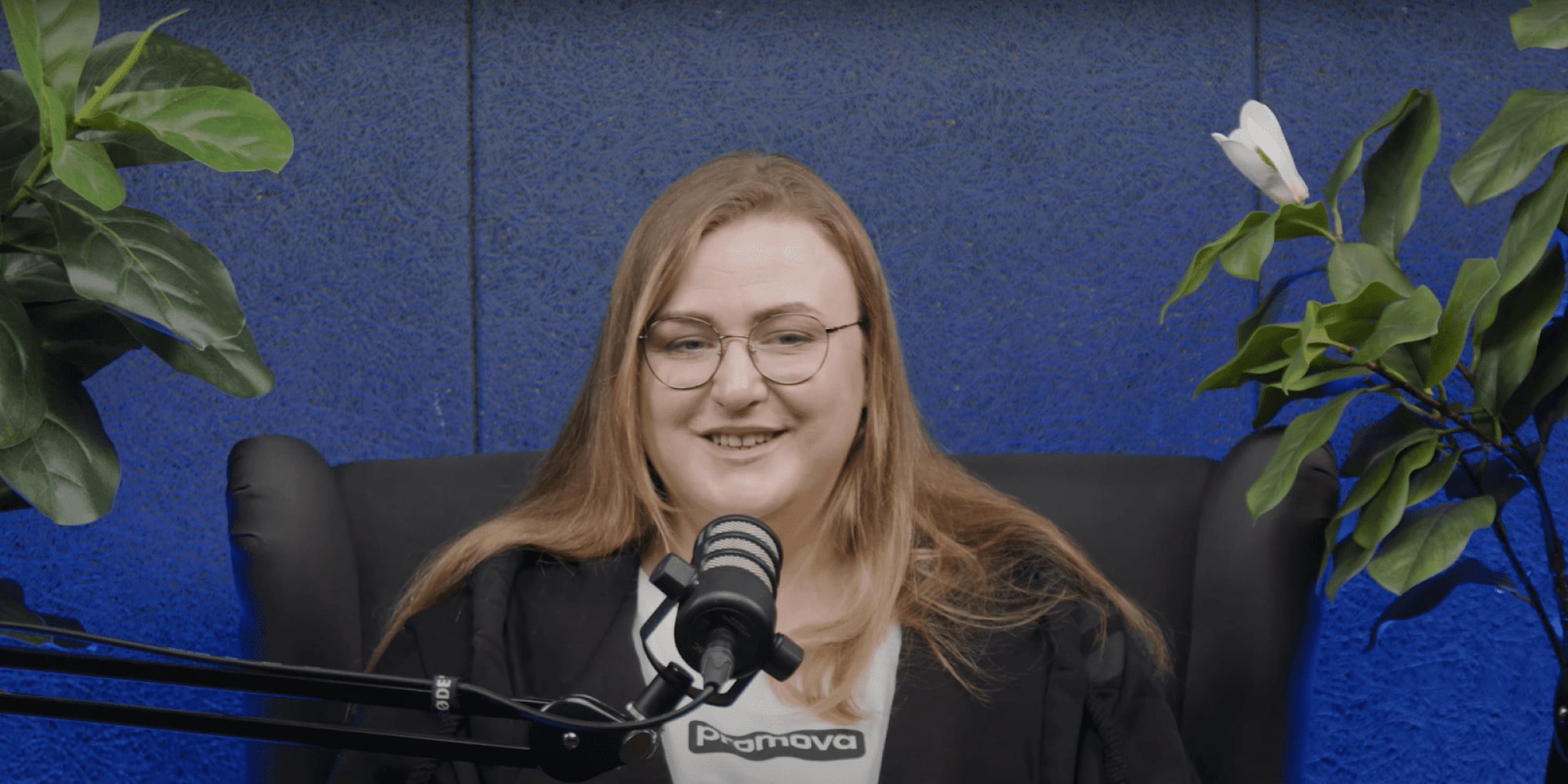
Explore how Promova redefined language learning and grew its community to 17 million users worldwide

Are your pushes as compelling as they could be? Find out with our free preview tool. Instantly see how your notifications will display on iOS and Android, in both expanded and collapsed views.
This is your chance to fine-tune your messages to ensure they're not just seen but felt. Make every character and every push work harder for your engagement goals


