
George Johnson
Expert Writer
January 16, 2026
George Johnson
Expert Writer
January 16, 2026

Almost every niche is digitized and packed with apps for convenient use, with people turning to them for shopping, learning, working, training, entertaining, dieting, and more. In this realm, every click, scroll, purchase, pause, uninstall, or repeat visit counts. Are you still brushing off these valuable signals? If so, event-based marketing can flip the switch for your marketing campaigns, turning user behavior data into a strategic marketing tool.
Let’s dig into the ins and outs of event-based marketing and discover the difference it can make for your promotional efforts and brand growth.
Cart reminders, welcome discounts on app download, birthday offers, and special product or service messages – this is all event-based marketing in action. It’s a marketing approach that focuses on providing instant reactions to specific user behaviors and actions.
For traditional marketing campaigns, you’d normally schedule messages in advance, send them out in batches, and target broad user segments. In event-based marketing campaigns, messages are triggered by certain events, sent dynamically, personalized contextually, and delivered individually at different customer touchpoints.
Brands don’t force customers into communication but reach out to them in response to their actions, or so-called events. Such events can pop up at any stage of the customer journey, from sign-up through product use and checkout to even post-disengagement. In short, an “event” is any action or change reflecting user intent, progress, friction, or interest. They are direct signals of how users interact with your app, website, or product, and are often captured through integrated ERP and CRM Software that centralize customer data.
Events used for event-driven marketing fall into several major groups:
Event-based marketing is all about behavior-driven, real-time reactions to those events, treating everyday user actions as important marketing moments and shifting the focus from “when marketers want to talk” to “when customers are most likely to care.”
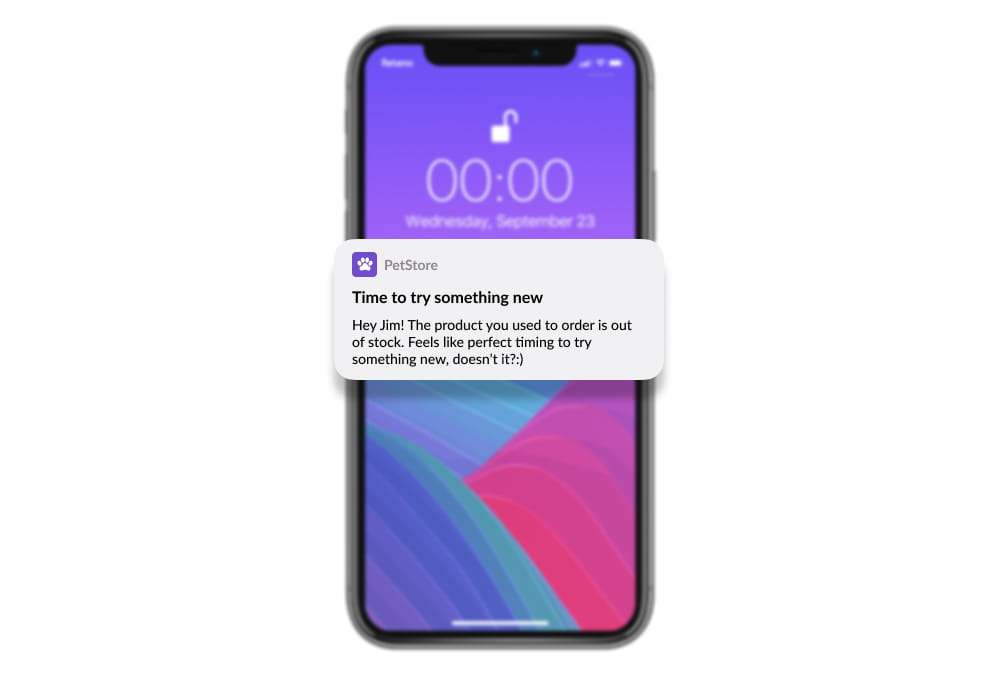
Creating and launching an app is a challenge. Yet once you’ve done it, making it grow is even more of a headache, since you need to deal with people dropping off after just one use. Most often, users delete apps due to excessive in-app ads, poor UX, and the flood of notifications they receive. Event-triggered marketing allows you to better match user expectations, remove friction, and deliver value through real-time personalization.
An event-based marketing approach switches from generic messages and delayed reactions to lifecycle marketing, with encouraging nudges sent when they really matter. This turns your app from a static product into an adaptive experience.
Event-based marketing campaigns are much more than just a smarter way to send messages. At the core of event-driven promotion is building relationships around meaningful, “here-and-now” interactions that come off as human and responsive, resulting in benefits that are otherwise harder to achieve.
Efficient communication is the driving force behind successful marketing. And personalization is currently the best key to efficient communication, with 71% of customers expecting brands to deliver personalized interactions.
Event-based marketing shines in hyper-personalized customer experiences. You’ll be able to send out the right message to the right user at the right time. When users receive content that lines up with their context, intent, and immediate needs, they feel cared for and bond with the brand emotionally.
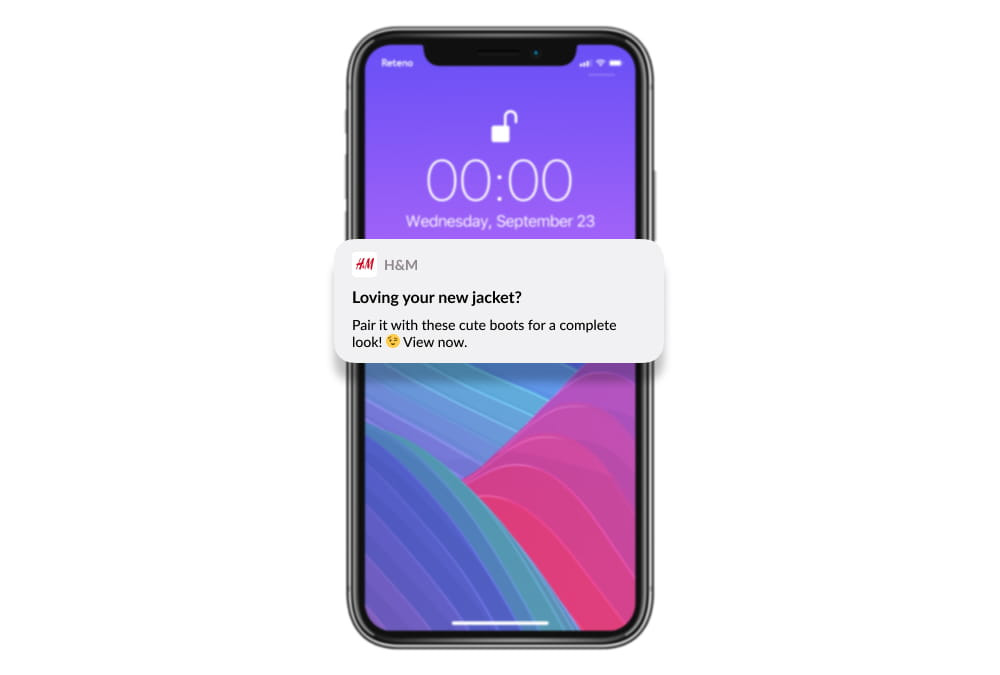
Conversions measure your marketing efforts and business growth, whether from prospects or action-takers. Using user behavior triggers, you can reach out at the moment of high intent when users are thinking about what to do next and might need advice, assistance, or an incentive, pushing them to act right then and there. Recommendations based on behavioral data can boost conversions by up to 20%, directly shaping consumer decisions.
Marketing is about making an impact, yet more impact doesn’t necessarily require more spending. Event-based marketing campaigns rely on marketing automation to take over the guesswork of manual planning and enjoy a 25% better ROI. Built around personalized user targeting, event-based workflows ensure resources are focused not on all potential customers but on users who are most likely to respond. This helps lower conversion costs by cutting down on message volume, while increasing conversion rates and overall campaign effectiveness.
Aligned with real-time user actions and experiences, event-based interactions follow up on user intentions and provide a nudge they might miss out on along the way. Such contextual communication demonstrates attention and care, coming across as assistance rather than interruption. So, the bonus of improved customer dedication and trust toward your brand won’t be long in coming.
Event-driven marketing hinges on real-time communications triggered by certain user behaviors. Yet, an efficient event-based marketing strategy is not just about sending messages that line up with those behaviors. The prime aim is to set up a responsive system that provides individualized experiences, guiding users through the customer journey every step of the way.
Not every customer action should set off a message. A successful event-based marketing strategy relies on high-value events that refer to critical user actions, where a response can turn things around or bring the desired result. This could be product or feature exploration, checkout initiation, or cart abandonment triggers. Properly configured event tracking based on deep real-time analytics of user behavior will precisely pinpoint moments that signal opportunities, enabling your app to send instant reactions and ensuring every interaction has a clear purpose.
User needs and behavior patterns change across the lifecycle, and you should build your trigger-based campaign to catch up with those changes at every stage of the user journey. For example, onboarding events should trigger guidance and setup assistance, while sudden inactivity should unlock reactivation triggers to win back inactive users. At this point, intelligent customer segmentation will ensure your messages perfectly match both user behavior and lifecycle stage.
Triggers are rules and conditions that set off a follow-up reaction to specific user actions and behaviors. Based on those conditions, you define when a message should be sent. For example, a cart abandonment trigger occurs when a user leaves without completing a purchase, while product views without conversion represent a browse abandonment trigger. Clear trigger logic ensures helpful reactions line up with user intent.
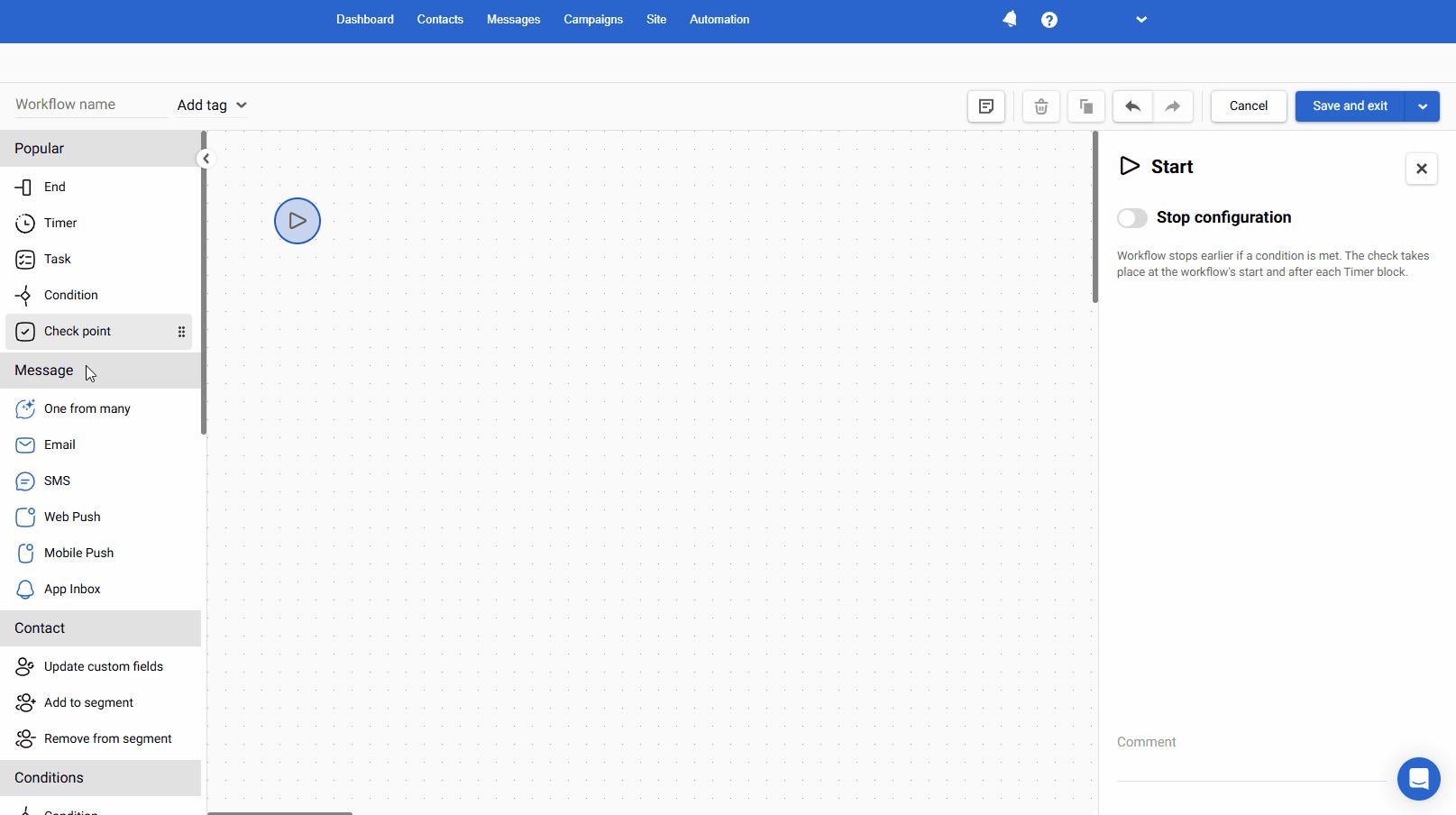
Even the right message can fail if sent through the wrong channel. So, here, you should take into account not only user channel preferences but also urgency and contextual relevance. For instance, mobile push notifications work best for instant actions, in-app messages are great for contextual guidance, emails are a better option for detailed follow-ups, and SMS or messengers are the best way to provide time-sensitive responses.
When you have to keep up with the changing behavioral patterns of multiple users, manual execution won’t work. You need to set up automated messaging flows. Using real-time marketing automation tools and platforms like Reteno, you can smartly connect precise event tracking with accurate customer segmentation and dynamic content to pull off thousands of personalized interactions without delays or manual effort.
Like any other marketing strategy, event-based marketing is not a set-and-forget approach. After launching your trigger-based campaigns, you should continuously monitor and A/B test different messages, timing windows, and content formats to see what clicks with your users and tweak your strategy for better performance and efficiency.
To see the power of event-based marketing automation in action, let’s review real-world examples of major brands turning everyday customer actions into high-impact experiences.
Netflix is a master of turning customer behavioral data into revenue, earning over $1 billion annually by delivering personalized recommendations to more than 230 million users. Its AI-based system continuously analyzes users’ viewing habits and times, content preferences, “continue watching” behavior, and tracks events that lead to behavioral changes. The company makes the most of event-based personalization, delivering real-time content recommendations, dynamically updating home screens to reflect recent behavior, and following up with re-engagement emails or in-app prompts after long periods of inactivity.
The platform is a vivid example of highly effective lifecycle messaging. From inspiration to post-trip engagement, timely reactions pop up across the entire customer journey. Automated emails, in-app messages, and personalized recommendations push, guide, and nudge users at the moments they really need it. By personalizing push notifications, Airbnb improved engagement by 20%, driving tangible traffic and increasing conversion rates. The brand has achieved a loyalty program revenue boost of 20% and maintains consistently high repeat guest rates.
At Amazon, over 35% of the company’s total revenue comes from personalized recommendations. The brand masterfully juggles cart abandonment emails and push notifications, price-drop alerts for previously viewed products, and custom recommendations tailored to browsing and purchase history to cash in on purchase intent events.
When it comes to event tracking and event-based marketing automation, choosing the right tools can make or break your whole event-based marketing strategy. This is where Reteno becomes your solid helping hand for tracking a wide range of events across your app and website.
We’ll help you set up automated event-triggered workflows using the most appropriate channels based on user activity and in-app behavior. Sticking to SMS, messenger, and email messaging, as well as mobile, web, and in-app push notification best practices, we know how to tie together multiple communication touchpoints into an omnichannel customer journey for coordinated and consistent messaging. Trust your event-based marketing automation to us for precision, relevance, and perfect timing.
As customer journeys get less predictable and expectations around personalization rise, traditional “one-message-for-everyone” campaigns start to fall flat. Today, event-based marketing takes the lead because it responds to what people actually do. It treats user actions and behaviors as opportunities for communication and engagement and puts them at the center of a marketing approach. Event-driven campaigns humanize marketing, enabling brands to naturally win over the loyalty and trust that modern users demand.
(1).png)
(1).png)
.png)

Alex Anikienko
|
May 6, 2025
See how full-journey automated A/B testing boosts conversions and revenue by continuously optimizing every message without the manual hassle
Alex Anikienko
|
July 29, 2025
Email ignored? Push skipped? Here’s how to orchestrate cross-channel journeys that actually convert


Are your pushes as compelling as they could be? Find out with our free preview tool. Instantly see how your notifications will display on iOS and Android, in both expanded and collapsed views.
This is your chance to fine-tune your messages to ensure they're not just seen but felt. Make every character and every push work harder for your engagement goals


.png)

.png)
.png)

